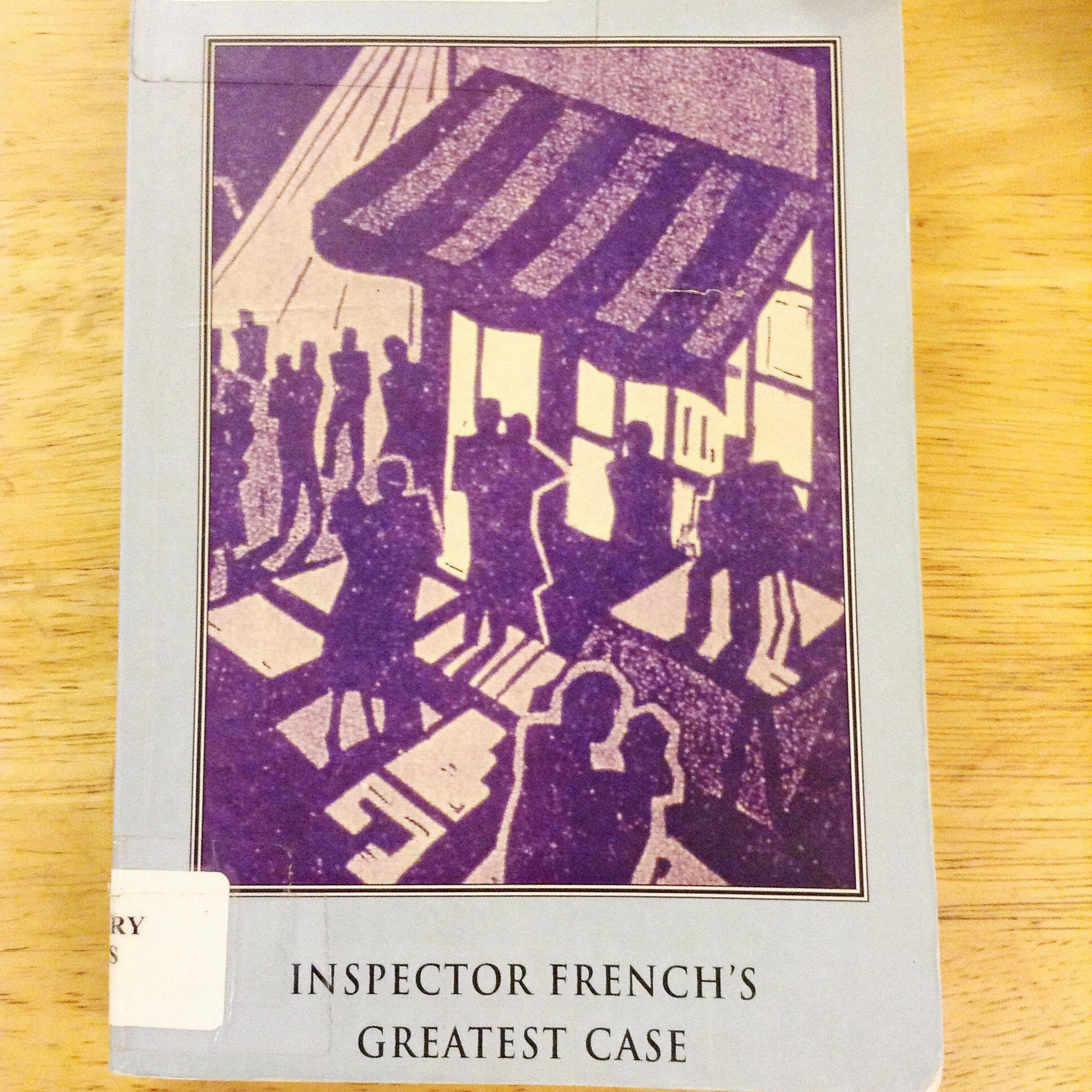
Inspector French’s Greatest Case by Freeman Wills Crofts

1924-Club

This review is for The 1924 Book Club. To discover more about this effort and to read additional reviews of books published in 1924 do visit Simon from Stuck in a Book’s hub post or Karen from Kaggsy’s Bookish Rambling’s hub page.

The first time I came across a reference to Freeman Wills Croft’s writing was when I was reading James Hilton’s classic story ‘Goodbye Mr. Chips’. I am always pleased to find bookish references within books and I read that Mr. Chips’s bottom bookshelf  was said to comprise of cheap editions of detective novels. His reading habits were thus described:

Sometimes he took down Vergil or Xenophon and read for a few moments, but he was soon back again with Doctor Thorndyke or Inspector French.

I had noted down Inspector French’s name for my ‘to be read’ list and thought no more of him until I was searching for a suitable book to review for The 1924 Book Club. ‘Inspector French’s Greatest Case’ was published in that year and to my delight I discovered this was the first entrée into the mystery series. Moreover, the book was available at my local library.

While I was researching alternative mystery story writers from this period I was surprised to find that the only writers of my acquaintance who were writing at that time were Agatha Christie and Dorothy L. Sayers. Agatha Christie published ‘The Man in the Brown Suit’ in the same year along with ‘Poirot Investigates’. Dorothy L. Sayers had published the first in her Lord Peter Wimsey crime series ‘Whose Body’ in 1923, after which there was a three year hiatus before ‘Clouds of Witness’ was published in 1926. In 1924 neither Margery Allingham (Crime at Black Dudley, 1929), Ngaio Marsh (A Man Lay Dead, 1934), Josephine Tey (The Man in the Queue, 1929)  or Edmund Crispin (Case of the Gilded Fly, 1944) had started publishing their work.

As a result of this discovery I went into reading this novel with the pre-conceived notion that the writing might be somewhat archaic. Nothing could be further from the truth. Freeman Wills Croft’s  writing is surprisingly modern, his language easy to read and his flow of thought fluent and comprehensible.

In ‘Inspector French’s Greatest Case‘ we are introduced to a case of murder that occurs at the offices of Duke and Peabody, a diamond merchant located at Hatton Garden in London. On a cold night in the middle of November, the body of an employee, by the name of Mr. Charles Gething is discovered prostrate on the floor in the inner office of Mr. Duke. Mr. Duke’s large Milner safe has been ransacked with the loss of thirty-three thousand pounds worth of diamonds and a thousand pounds in bank notes. Mr. Gething has undoubtedly been murdered as evidenced from the ugly wound made to the back of the skull by a blunt instrument.

The theft of the diamonds and money previously secured in the safe are the motive behind the murder. To investigate the case, Inspector French of the Criminal Investigation Department of New Scotland Yard is called in.

In our first introduction to Inspector French he is described as follows:

…The third was a stout man in tweeds, rather under middle height, with a clean shaven, good-humoured face and dark blue eyes, which, though keen, twinkled as if at some perennially fresh private joke. His air was easy-going and leisurely, and he looked the type of man who could enjoy a good dinner and a good smoke room story to follow.

Inspector French investigates the circumstantial evidence in a  methodical and systematic way. A paper trail led by the stolen bank notes leads him on a wild-goose chase across the beautiful Swiss Alps and later on to Barcelona and Amsterdam. There are a number of false clues and likely suspects. Inspector French leaves no stone unturned in his effort to grasp at the truth. He works tirelessly. We find that he becomes depressed when he has no immediate line of investigation to pursue.

It was only when he did not see his way clear that he became depressed and then he grew surly as a bear with a sore head, and his subordinates kept at as great a distance from him as their several activities would permit

Freeman Wills Crofts, the author of the novel worked as a railway engineer before turning to writing detective fiction. This background information surfaces in the plot line. There are many descriptions of train travel in the book. These train journeys and the places Inspector French passes on his travels through Europe are described in great detail and add an extra layer of appeal to the story. We travel with him to Interlaken, along the shores of the Lake of Thun, along the narrow gauge line that passes into the hearts of the giants of the Bernese Oberland; past the towering peaks of the Matterhorn, Eiger, the Mönch and the Jungfrau. The scenery unfolds in our imagination as we follow Wills Croft’s travelogue. Later we scramble across Channel crossing ferries at a moment’s notice along with French and travel the breath and depth of the continent to Havre, to Bordeaux by the Paris-Orleans line, then on the Midi to the Spanish frontier at Irun, and then via Medina and Salamanca to Oporto. Freeman Wills Croft’s fascination for train timetables is evident in the construction of the plot.

Wills Crofts builds up the story layer after layer in intricate detail. Multiple times the trail runs cold and much to French’s chagrin there is no immediate course of action . More than halfway into the story French observes:

It was a confoundedly exasperating case- just bristling with promising clues which one after another petered out as he came to follow them up

What do we learn about the personal nature of Inspector French? Has he the calculative obsessive temperament of a Poirot-like detective or does he share the amazing deductive powers of a genius like Sherlock Holmes? The answer is neither. Freeman Wills Croft’s detective Inspector French is the most ordinary of detectives, a hard-working humane person shunning cruel subversive techniques of interrogation in favour of a caring, kindly approach.

…He was not only a man of natural kindliness of heart, but he had the gift of imagination. He saw himself in the girl’s place; and was glad he had not added to her trouble.

Inspector French’s Greatest Case is not devoid of humour and charming domestic detail. Freeman Wills Croft describes an aspect of French’s home life that made me smile. Whenever Inspector French is perplexed with his case he returns home to his wife and describes in great detail aspects of the case that are troubling him. The poor lady, prevented from tacking the household chore she was engaged in is forced to take up her sewing and sit on the large Chesterfield armchair while French recounts the evidence.

Sometimes she interjected a remark, sometimes she didn’t; usually she warned him to be careful not to knock over the small table beside the piano, and invariably she wished he would walk on the less worn parts of the carpet

Usually Mrs. French ‘took a notion’ or asked unusual questions that shed light on the case in a different way.

We do not get to know very much more about Inspector French’s personal life in this book. We do learn that he has lost a son in the Great War but he appears to be intensely private about this tragedy.

Inspector French’s Greatest Case is a fantastic first novel in a series. I am curious to learn more about Inspector French, his dogged determination and his persistence.

Freeman Wills Crofts  has provided us with a refreshing ‘new detective’ (at least new to me). He delivers a carefully grafted, meticulously detailed plot. At every stage of the investigation we are privy to French’s thoughts and ideas so we do not feel cheated or left out. In the finale we are treated to a delightful twist in the plot which is done quite masterfully.

A big thank you to Simon for encouraging me to read a wonderful book from 1924.
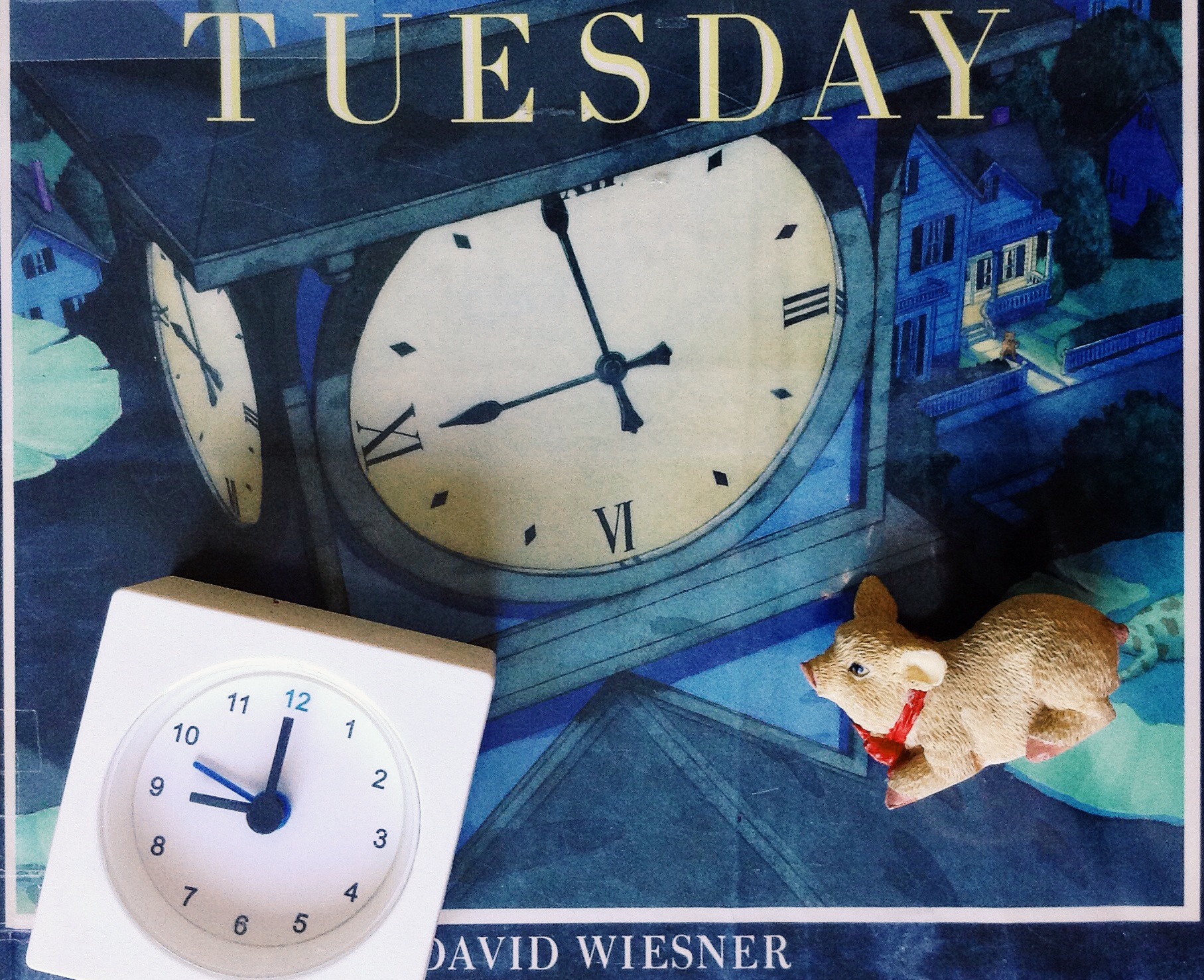
Tuesday by David Wiesner

Title: Tuesday

Author and Illustrator: David Wiesner

Published: 1991

Main Characters: Some frogs on their airborne lilypads, sleepy inhabitants of a town, some pigs…

Short Synopsis of the Story: ‘Tuesday’ is the tale of a series of animal invasions that strike at a particular time and place, namely Tuesday evening at around eight o’clock in a small suburb. Frogs invade the skies in hundreds of thousands, flying along on lilypad aircraft. They invade backyards or dark sitting rooms where people are dozing off in front of the television. Neither the press nor the police know what to make of it the morning after, when the town is strewn with abandoned lilypads. It is a great inexplicable mystery.

All is well until next Tuesday at the same time… a shadow of a flying pig is seen eerily set against a barn door…

Conclusion:  This is a book that both children and adults can enjoy. The pictures tell the story of their own accord. There is little need for words to accompany the excellent pictures. ‘Tuesday’ has a mysterious, eery air to it. It will make you use your imagination and lends new meaning to the idiom- ‘pigs might fly’.

84 Charing Cross Road by Helene Hanff

IMG_1993-2

Title: 84 Charing Cross Road

Author: Helene Hanff

Published: 1970

Location of the Story: New York and London from the period 1949-1969

Main Characters: Helene Hanff (freelance writer in New York), Frank Doel (bookseller in London)

The Story: This is an account of the correspondence between Helene Hanff, a freelance writer in New York and Frank Doel, an employee of a used antiquarian bookstore in London. The correspondence is spread over the years 1949 to 1969, documenting the lively dialogue between two people, with nothing in common but a knowledge and love of good books. Set in the years after World War II, the reader is treated to an insight of the reality of what it was like to live in the aftermath of the war. The book is funny and poignant and shows how people separated by great distance and circumstances can nonetheless, touch each others lives and create the most beautiful relationships.

The correspondence starts in October of 1949 when Helene Hanff responding to an advertisement in the Saturday Review of Literature, writes to ‘Marks and Co.’, located at 84 Charing Cross Road for certain antiquarian books. These are books that are unavailable to her in New York at suitable prices that are affordable to ‘a poor writer with antiquarian taste in books.’

An employee named ‘FPD’ responds to the request and supplies Miss Hanff with several of the requested books. Over the next few months we see a further exchange of letters. We witness Hanff’s friendly, sarcastic and witty personality emerge in her letters. Her letters are liberally scattered with profanities, underlined phrases and expressions written in capitalized letters for emphasis. As ebullient as Hanff is in her writing, ‘FPD’ retains a very impersonal, professional yet helpful air in accordance with his professional requirements at ‘Marks and Co’.

This impersonal attitude is broken, however, in the face of Hanff’s extreme generosity. Hanff is appalled to discover the strict rationing imposed on the British public after the war (2 ounces of meat per family per week and one egg per person per month!). In sympathy she sends a hamper full of food as a Christmas present to the employees at Marks and Co.

The employees at Marks and Co. are overwhelmed by the generosity of Hanff’s gift and ‘FPD’ for the first time thanks Hanff in a letter signed ‘Frank P. Doel’. The letters continue. Hampers and food parcels are sent from Hanff to mark Easter, Christmas and other celebrations  despite her modest income and circumstances. In further correspondence little tidbits of information about Hanff and Doel’s respective lives are shared. We learn that Doel is happily married to Nora and that they have three daughters. We read about the purchase of Doel’s first family car, their brief summer holidays, how the children grow up and find employment. We also learn of the highs and lows of Hanff’s writing career. How much she would love to visit London and meet the employees of Marks and Co. in person and visit the literary landmarks of London.

What are the chances of two unrelated people, located 3500 miles apart forging such a strong connection through a series of letters particularly in the pre-internet age? Hanff and Doel demonstrate it can be done and that people can care about one another in a world riddled with hostility and hatred. Particularly in respect to the bloody, gruesome war that took place a few years before this correspondence started, the letters are particularly heartening and renew one’s confidence in the humanity prevalent in mankind.

Owl Moon by Jane Yolen

IMG_1862

Title: Owl Moon

Author: Jane Yolen

Illustrator: John Schoenherr

Published: 1987

Main Characters: a little girl, her father

Short Synopsis of the Story: One moonlit winter night, long past the little girl’s usual bedtime, a girl and her father embark on a special expedition into the deep woods. They trudge through the white snow. The only sounds are that of the winter night: a train whistle, a dog answering the train with a howl. You have to be as quiet as you can when you go owling. The owling expedition has been a long time in coming and the little girl is excited to at last have the chance to go on this adventure with her father. Pa reaches a spot in the woods and mimics the call of a Great Horned Owl. Pa calls many times and is not rewarded with an answer. The little girl’s brothers have forewarned her of the possibility of not spotting an owl so she is not unduly disappointed. The girl’s face becomes icy with cold but she doesn’t complain. They move deeper and deeper into the forest, into the depths of the dark trees until they come to a clearing. Pa mimics the owl’s call once again and this time there is a response through the trees. Pa and the little girl smile with anticipation and the owl moves closer until Pa shines his torchlight on the owl’s face just as it is about to land on a branch. For what seems like an eternity the owl, Pa and the little girl hold each other in a long stare. Then the owl lifts its great wings and disappears into the night. The girl and her Pa, walk home with lifted spirits and the knowledge that you don’t need warmth or words to go owling. All you need is  a night with an Owl Moon and a heart full of hope.

Favorite Part of the Story:  Author of the story Jane Yolen, had three small children who frequently went owling with their father, David Stemple in the wintry woods surrounding their rural Massachusetts home. The illustrator, John Schoenherr fills the pages with vivid, evocative images that pair with the simple, beautiful writing perfectly. Some of the scenes and landmarks in the book are taken from Schoenherr’s personal experiences walking with his children around the Schoenherr farm. Owl Moon is an unforgettable book to read with your children, particularly on a cold, wintry night. It is filled with a great spirit of adventure that both adults and children will find heartwarming.

September 2015 Favourites : Books, Audiobooks, Bookish Blogposts, Movies, Library Hauls and Much More.

IMG_1804

September 2015 was a slow but good month for new books, audiobooks and movies. It took a little time getting into our normal routine after our month long trip to India. Here is a round up of my September (and a little bit of August) favourites …

In the month of August the only two books I had read from my Holiday Reading List were coincidentally Enchanted April by Elizabeth von Arnim (a fantastic read) and Tempestuous April by Betty Neels.  Both of them contained April in the title but here the similarity end. I will leave you to arrive at your own conclusions…

Enchanted April is the perfect read for a summer vacation and found it into my September blogpost that lists Eight Books that Remind Me of Summer. Set in Portofino, Italy, Enchanted April tells of a sort of ‘re-birth’ of four different women who travel to Italy to spend time in a rented medieval castle, to find solace in the beautiful surroundings.

In September we frequently visited our library.

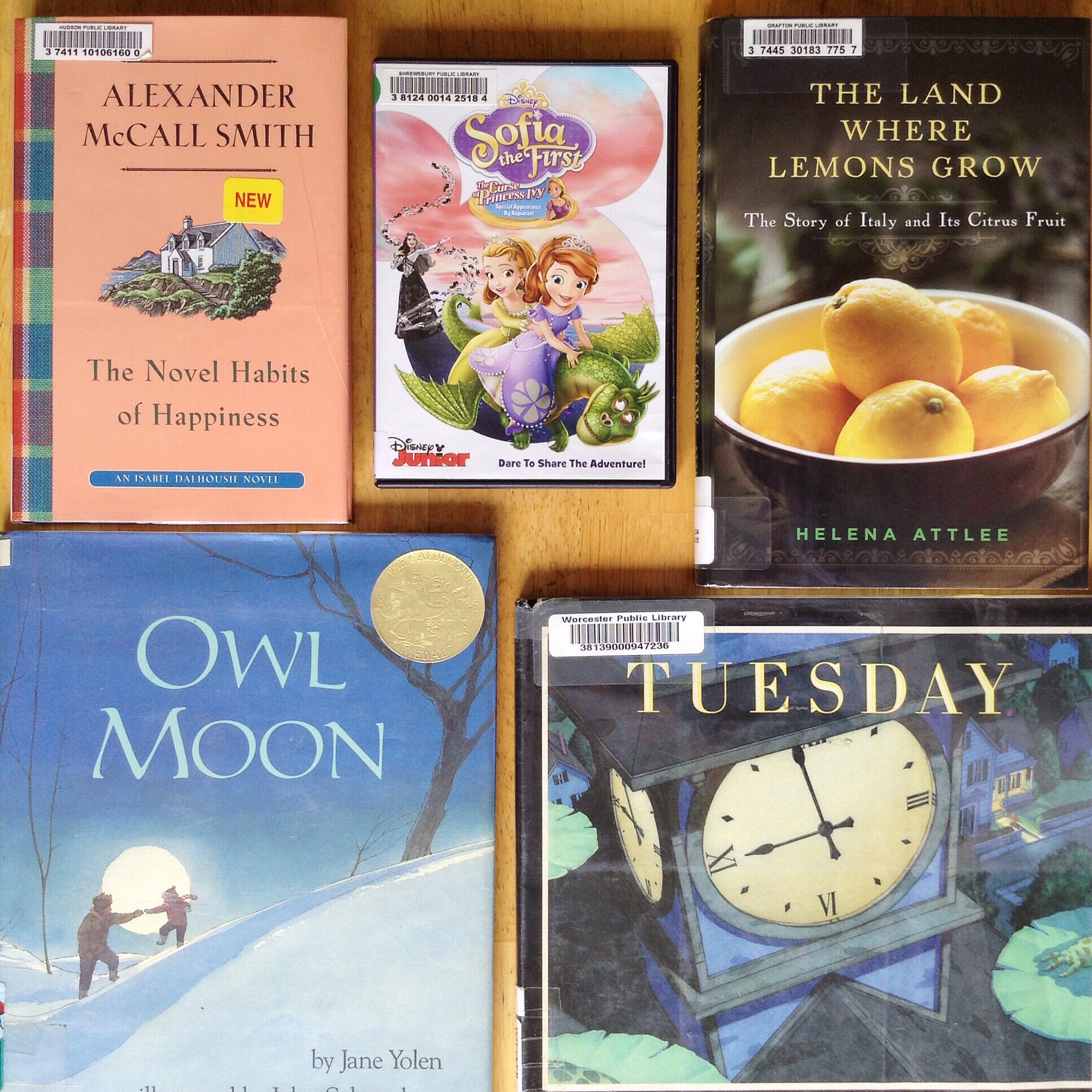
Little M and I are continuing to read from the Time Magazine’s list of Top 100 Children’s Books. Two books on this list are Tuesday by David Wiesner and Owl Moon by Jane Yolen.

Tuesday is more of a picture book with terrific illustrations. It tells the tale of a series of animal invasions that strike at a particular time and place, namely Tuesday evening at around eight o’clock in a small suburb. Frogs invade the skies in hundreds of thousands, flying along on lilypad aircraft. They invade backyards, dark sitting rooms where people are dozing off in front of the television. Neither the press nor the police know what to make of it the day after, when the town is strewn with abandoned lilypads. All is well until next Tuesday at the same time… when a shadow of a flying pig is seen eerily set against a barn door…

Owl Moon is another wonderfully atmospheric book. It tells the story of a young child setting out on her very first owling expedition with her father. The night sky glows with the golden glow of a full moon- the best time to view an owl in the deep, snow laden woods. It is a tale of patience and forbearance, excitement and anticipation.

We are really enjoying all the books on the Time Magazine’s list of Top 100 Children’s Books. I cannot recommend them enough. Not on the list but of great entertainment value to Little M, is another installment of the Sofia the First entertainment series (she missed her a great deal whilst in India).

My reading in September was slow. I’ve started The Land Where Lemons Grow  by Helena Attlee which is a history of the introduction of citrus fruit in Italy. In great detail it researches how this fruit  has invaded the Italian imagination, from Calabria’s Diamante citrons, the blood oranges of Sicily, to the bergamot thriving on narrow strips of coastline. There is a bit of everything in this part history, part horticulture, sociopolitical culinary book offering.

I finished the latest installment in Alexander McCall Smith’s Edinburgh series featuring philosopher Isabel Dalhousie called ‘The Novel Habits of Happiness’. As usual the book has a little bit of everything that I love, scenes from a Scottish city, romance, a light mystery, memorable characters and very large doses of reflection. It is the first book I reach for when I come back from our holiday.

Another book that I have started is a ‘cozy’ post-WW1 mystery set in Leeds called ‘Dying in the Wool‘ by Frances Brody. Speaking of mysteries, September marked the 125th Birth Anniversary of Dame Agatha Christie which I celebrated with my blogpost ‘An Ode to Agatha Christie: Celebrating Her 125th Birth Anniversary with Eight Memorable Books’.

I bought an audiobook from Audible in September called ‘In and Out of the Kitchen’ by Miles Jupp and cannot recommend it enough. It is a BBC 4 radio drama about a ‘cookery writer’ Damien Trench and his writing and domestic struggles.The writing is so very funny in a wry sort of way… really enjoying it.

As the mother of a 3 year old I find it impossible to visit the cinema nowadays and watch ‘non-princess themed’ movies. One of the bonuses of the Emirates flights to and from India was the excellent selection of current movies . On the way to India I watched ‘Far From the Madding Crowd’ which I loved and has inspired me to give this favourite Hardy a re-read. On the way back to the US, I was lucky enough to watch the dramatized version of Vera Brittain’s poignant WW1 memoir ‘Testament of Youth’ which was epic. I cannot recommend these two movies enough.

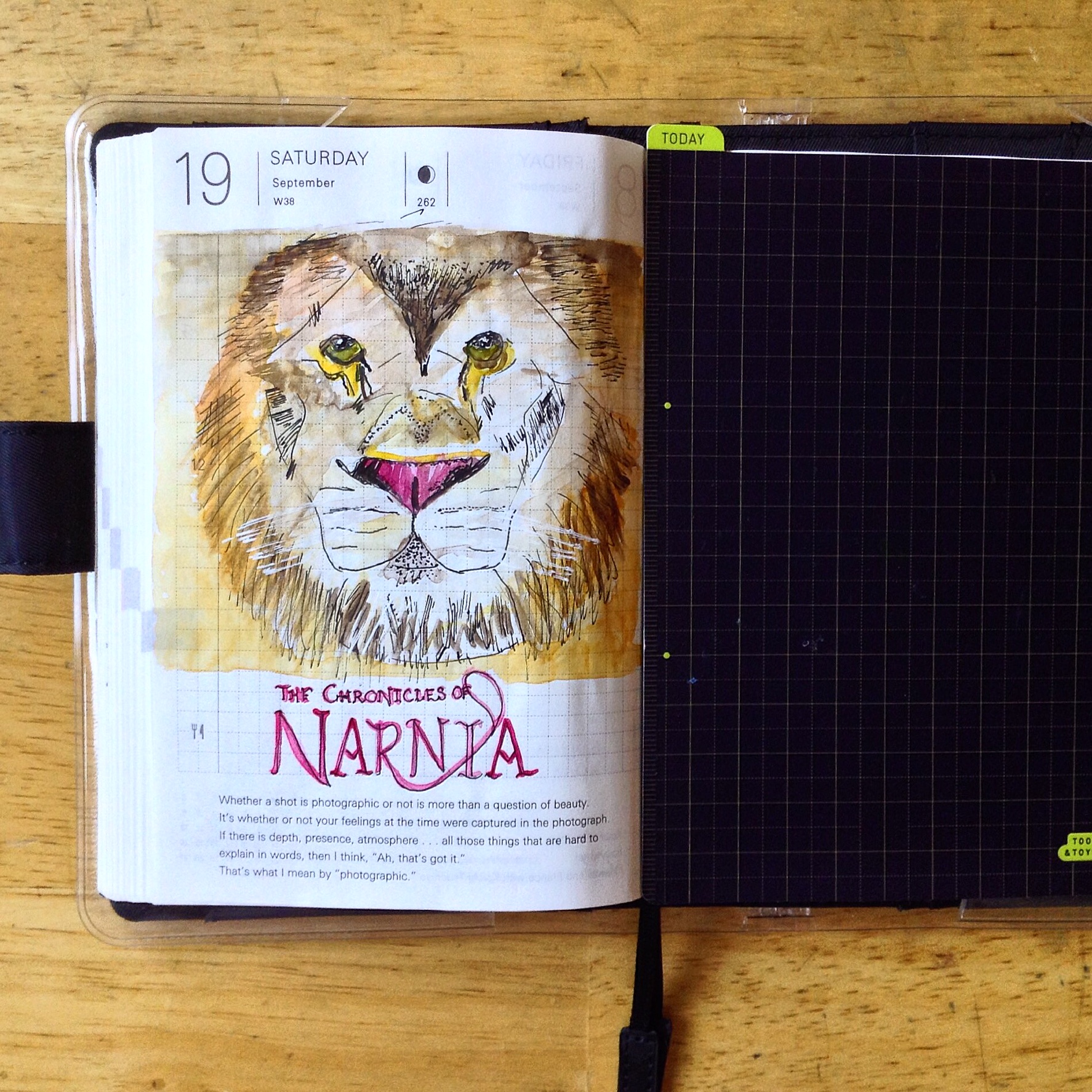
Lastly, the whole family watched not one but two dramatized versions of C.S. Lewis’s classic -The Lion The Witch and The Wardrobe… and Aslan made it into my art journal.

IMG_1839

Hope you had a wonderful September. See you in October xxx.

An Ode to Agatha Christie: Celebrating Her 125th Birth Anniversary with Eight Memorable Books

If you love to read crime fiction novels, chances are you will most definitely have read an Agatha Christie novel. Growing up, my group of school friends loved to read and share different books together. Agatha Christie was a great favorite. A quick and guaranteed good read. Someone you could rely on to divert you away from all those fat textbooks and the required English reading list.

Agatha Christie was definitely the writer who developed my love for vintage crime fiction. She was someone I read before venturing to read the works of Ngaio Marsh, Margery Allingham, Dorothy L Sayers, Patricia Wentworth, Nicholas Blake and Edmund Crispin.

To celebrate Christie’s 125th birth anniversary I have chosen some of our best-loved childhood reads that we read many years ago and continue to read today. As one friend recently remarked, “I still read a lot of Christie. It’s my comfort reading when I’m miserable…”

Here in no particular order are some of our most memorable Christie novels.

9723667

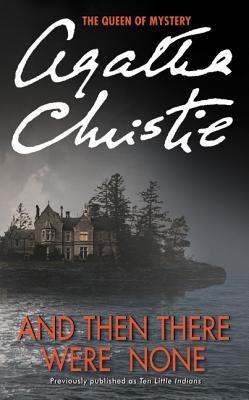
1)And Then There Were None- this along with the ‘Murder of Roger Ackroyd’ has to be one of the best loved Christie novels. It has a unique plot: ten guests with seemingly little in common, are invited to a millionaire’s house on a private island, off the coast of Devon. One by one, quite systematically, all the guests are killed until nobody is left…

9571725

2)Murder on the Orient Express- the luxurious backdrop of the Orient Express forms the setting of this spinechiller. In the dead of the night, a traveller on the Orient Express is brutally murdered in a locked compartment and further investigation reveals that he has been stabbed many many times. Enter Poirot to the rescue.

11181295

3)The Pale Horse- this is a nice stand alone novel. It doesn’t feature either Hercule Poirot or Miss Marple but instead showcases Ariadne Oliver as the detective in charge. This book has a hint of the supernatural and the occult, has references to witchcraft and is nice to read during Halloween (another book that comes to mind for this season is Halloween Party). A dying woman bequeaths a list of names to Father Gorman and shortly after receiving the list he is killed. Mark Easterbrook along with Ariadne Oliver try to decipher the clues locked inside the list- a thankless task, because the people have nothing in common, except for the fact that they are being serially marked for murder.

9583307

4)4.50 From Paddington- this is another Agatha Christie featuring a murder associated with trains but this time Miss Marple comes to the rescue. It seems Miss Marple’s character was based on Christie’s grandmother. Miss Marple definitely reminds me in certain ways of Patricia Wentworth’s elderly sleuth- Miss Silver. I love the storyline of this particular mystery: two trains traveling in opposite directions pass one another in the evening. The occupant of one train, an elderly lady called Mrs. McGillicuddy, sleepily observes something quite sinister occurring on the opposite train, a man strangling a woman. When she reports the incidence to her friend, Miss Marple, they are unable to uncover a missing body but further sleuthing proves that what Mrs. McGillicuddy saw, might have been correct.

9618464

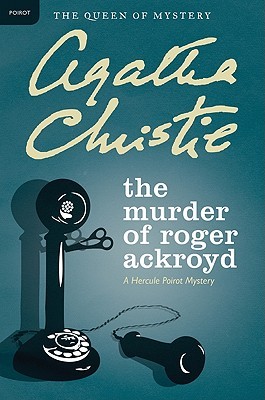
5)The Murder of Roger Ackroyd- this supposedly is the mystery that launched Christie’s career as the ‘Queen of Mystery’ and brought her great popularity. A young widow commits suicide in a small village and her death sparks rumours of her having been blackmailed regarding her affair with wealthy Roger Ackroyd- another inhabitant of the village. Very soon, Roger Ackroyd is found dead in his locked study after having discovered the identity of the unknown blackmailer. The identity of the blackmailer/killer is called into question by village inhabitant Hercule Poirot. What makes this mystery stand apart from all other Christies is the ingenious plot and very surprising identity of the killer.

16349

6)Hercule Poirot’s Christmas- I usually reach for this one during the festive season even though the book is completely lacking in ‘christmas spirit’. Simeon Lee gathers his large family to his large country house during the holidays, only to be brutally murdered in a classic locked room mystery. I also enjoy watching the dramatized version of this book featuring the inimitable David Suchet as Poirot.

16360

7)Murder in Mesopotamia- This has always been one of my favorites. I love the Christie mysteries set in Egypt and the East. The have a distinctive flavor and resonate with Christie’s own experiences on archaeological digs with her second husband- Max Mallowan- a renowned archaeologist. This book has a surprising solution to a clever plot.

9595493

8)Endless Night- This is a book I actually read recently and was struck by its very mature and spine-chilling narrative. It has a dark, pent-up psychological tension that is similar to that found in a Hitchcock thriller. Do read this book if you are interested in reading a Christie with a difference.

Which Agatha Christie novels are your favorites?

Poirot or Marple?

Hats off to Agatha Christie for creating two such original, memorable detectives along with a host of other characters.

Eight Books that Remind Me of Summer

Summer is receding into Autumn here in the north east corner of North America. Soon summer will be a warm fuzzy memory that one can wistfully think about when there is five feet of snow piled high on the ground. There are certain books that remind me of summer. They are not always set in the height of that particular season but they are often easy to read stories that make me relax, feel good and smile in equal measure. For me, summer is not only a season, it’s a state of mind…

Here in no particular order are eight books that remind me of summer.

48132

1) My Family and Other Animals by Gerald Durrell- This is the sun-drenched account of a young boy’s encounters with the natural life of the Greek Isle of Corfu. What makes these memoirs eminently readable are the hilarious descriptions of Durrell’s family. Be prepared to laugh aloud with every turned page.

15796897

2) Swallows and Amazons by Arthur Ransome- written in a time when young English children returned from boarding school to spend summer holidays sailing around the serene water bodies of the English Lake District. There is a charm and innocence and way of living captured in these children’s books which is magically locked in time.

40189

3) A Year in Provence by Peter Mayle- alright, technically this is not a summer specific book. However, the location plays the most important part in this ‘year in the life’ narrative and when I think of Provence I immediately think of sunshine, good wine and summer markets. The language is lovely, descriptive and yet easy to read. After you’ve read the book you feel as if you have taken a good long holiday without having moved a physical step.

10627948

4) Evil Under the Sun by Agatha Christie- this is not the kind of book that will give you a warm fuzzy feeling, being interlaced with murders, but it does have all the ingredients for a tremendous beach read. Set in a English seaside resort in Southern England the plot is brilliant and you have none other than the esteemable Hercule Poirot to help you along with your sleuthing.

398352

5)An Enchanted April by Elizabeth von Arnim- Four English women, due to their own individual reasons, escape their dreary life in London to spend a month in a rented Italian castle. The warmth and beauty of the location strikes a change in each of these women. They find themselves embracing circumstances and causes they had long given up on…

51JgrM5at1L._SY344_BO1,204,203,200_

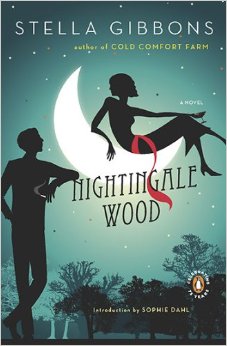
6)Nightingale Wood by Stella Gibbons- this is a feel good Cinderella-esque love story set in 1930s rural Essex. What sets it apart from any other frothy romance is Gibbon’s exceptionally witty writing style, her simultaneous interweaving of several plots and her sometimes very profound observations about life.

1101801

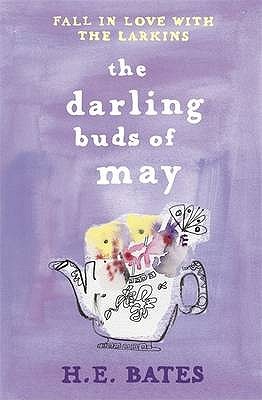
7)The Darling Buds of May by HE Bates- this book is just ‘perfick’ to read in the summer if you should choose to use Pop Larkin’s (the protagonist of the book) favorite adjective. A young tax collector comes to Pop Larkin’s Essex farm for an audit only to find himself totally carried away by the love, laughter and excesses of the Larkin family. He falls in love with Mariette, the eldest Larkin daughter, Ma Larkin’s cooking and also Pop Larkin’s philosophy of living life to the lees. The descriptions of nature, summer and especially food make this an exceptional book.

5954557

8) Something Fresh by PG Wodehouse- to end our summer feast of stories we have some of the eccentricities of Blanding’s Castle for you. The absurdities of the English aristocracy, unlikely situations, unusual characters like Lord Emsworth and his large household and the series of misadventures that assault you will have you alternatively laughing and cringing. Wodehouse as always is at his ascerbic best.

Martha’s Vineyard in 30 Memorable Moments

0001-39911927

Last month we spent 3 glorious days on the island of Martha’s Vineyard. Surrounded by sandy beaches on all sides, we had fun, we frolicked and we explored every nook and cranny of the island. We cooked comforting meals in a huge hostel kitchen, ate lobster rolls and lobster bisque, drank too much blueberry beer at the pub and went on ‘wild’ carousel rides in the pursuit of elusive brass rings. I visited most of the bookshops on the island, wanted to browse through the public libraries, but was able to visit only one. Here are some of the more ‘bookish’ moments of the trip, accompanied by many ‘non-bookish’ moments…

The night before the trip we discovered that it was necessary to book a ferry crossing if traveling with a car in advance. Hence, the only crossing times from Woods Hole in Cape Cod to Vineyard Haven available were at 7 am in the morning! Luckily the previous night we were staying at my Aunt’s house, only an hour’s drive away. IMG_1140 Although the ferry crossing was painfully early, we did manage to see the sun rising in the eastern sky on a beautiful, balmy day in June.

 IMG_1152 IMG_1149

The first call of duty upon arrival was breakfast at the Black Dog Bakery in Vineyard Haven. I opted for their delicious breakfast sandwich along with a cup of coffee…

IMG_1167 IMG_1184

IMG_1187

IMG_1188

We strolled along quiet Main Street of Vineyard Haven before the shops had opened and the locals and tourists had started milling the streets. We took delight in noticing little inconsequential details in the houses and shops and taking numerous pictures. A few early-bird locals looked on with a mixture of amusement and scorn. We waited outside the doors of ‘The Bunch of Grapes Bookstore’ like guards outside Buckingham Palace, waiting for it to open. We whooshed in when the clock struck nine and perused all the books. The air was still hot and humid from the lack of air-conditioning…it had only been switched on a few minutes before… The store was packed with books about the sea, summer, the Vineyard, it’s history and it’s stories…

IMG_1197 When we left, we noticed the tall, quaint clock with ‘Bunch of Grapes’ inscribed on it’s graceful face.
IMG_1168 Here is the signpost of the Black Dog Tavern in Vineyard Haven. So beautiful… now that is memorable branding! IMG_1303

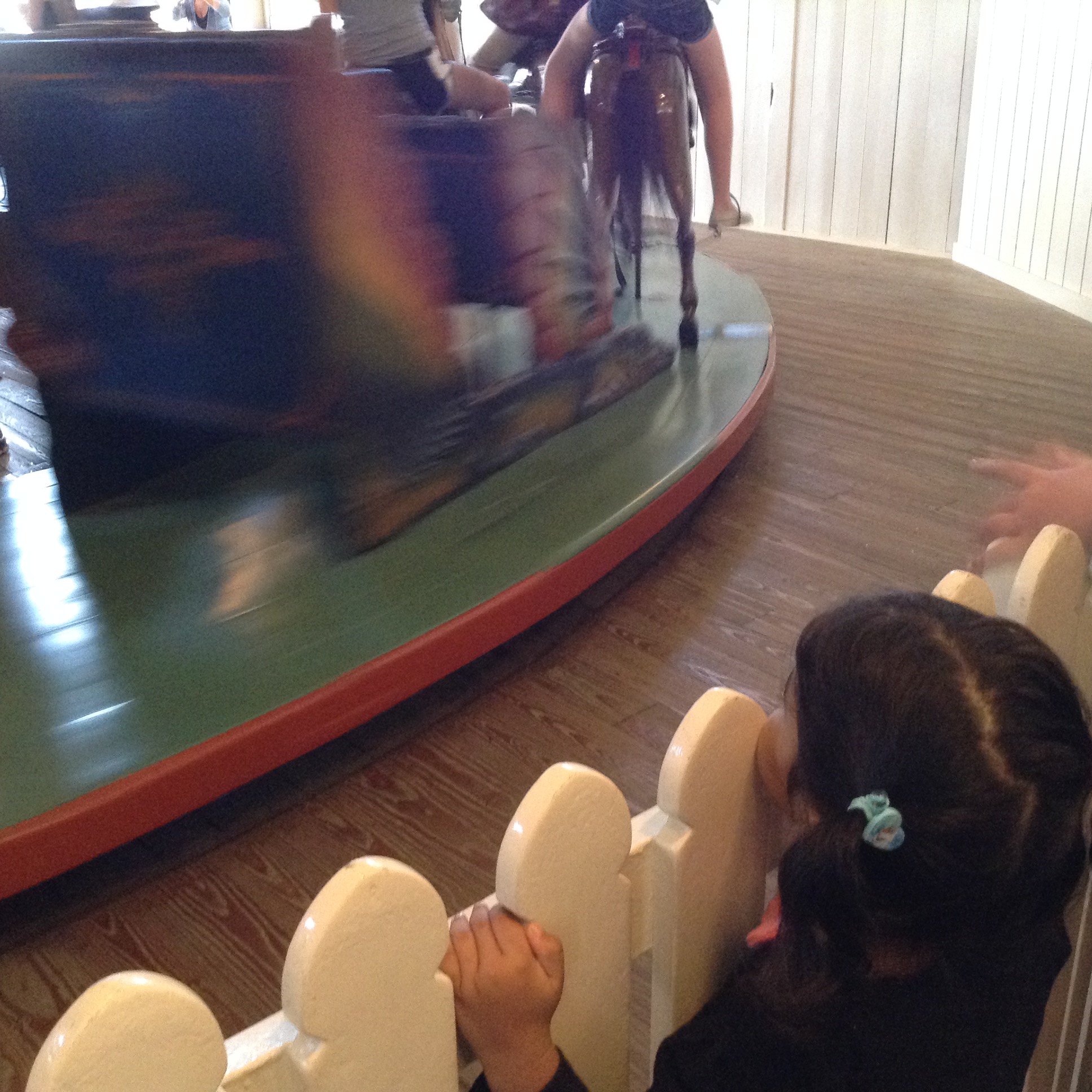
IMG_1219 The highlight of the morning and in fact the trip was the Flying Horses Carousels in Oaks Bluff. There is something very liberating about riding make-believe horses even if you are an adult. The green fuzzy man depicted in the photo was very energetically plucking metal rings out of the holders as the horses periodically whizzed past the ring dispensing station. The person who picks a brass ring as opposed to the silver ones gets a free ride!

Top tip: the carousel rides are double the fun after a pint of blueberry beer at the Offshore Ale Company in Oaks Bluff 😉

In the afternoon we came back to the hostel (HI Martha’s Vineyard) and made cheese and cucumber sandwiches and ate them with hard-boiled eggs. We took a short nap in our hostel room… In the evening, we packed a few snacks, a blanket and a few beach chairs and took them to Menemshah Beach to watch a memorable sunset. Menemshah Village is famous for being the location of the fishing village depicted in the movie Jaws. The beach was humming with families, enjoying their evening with friends…

IMG_1265

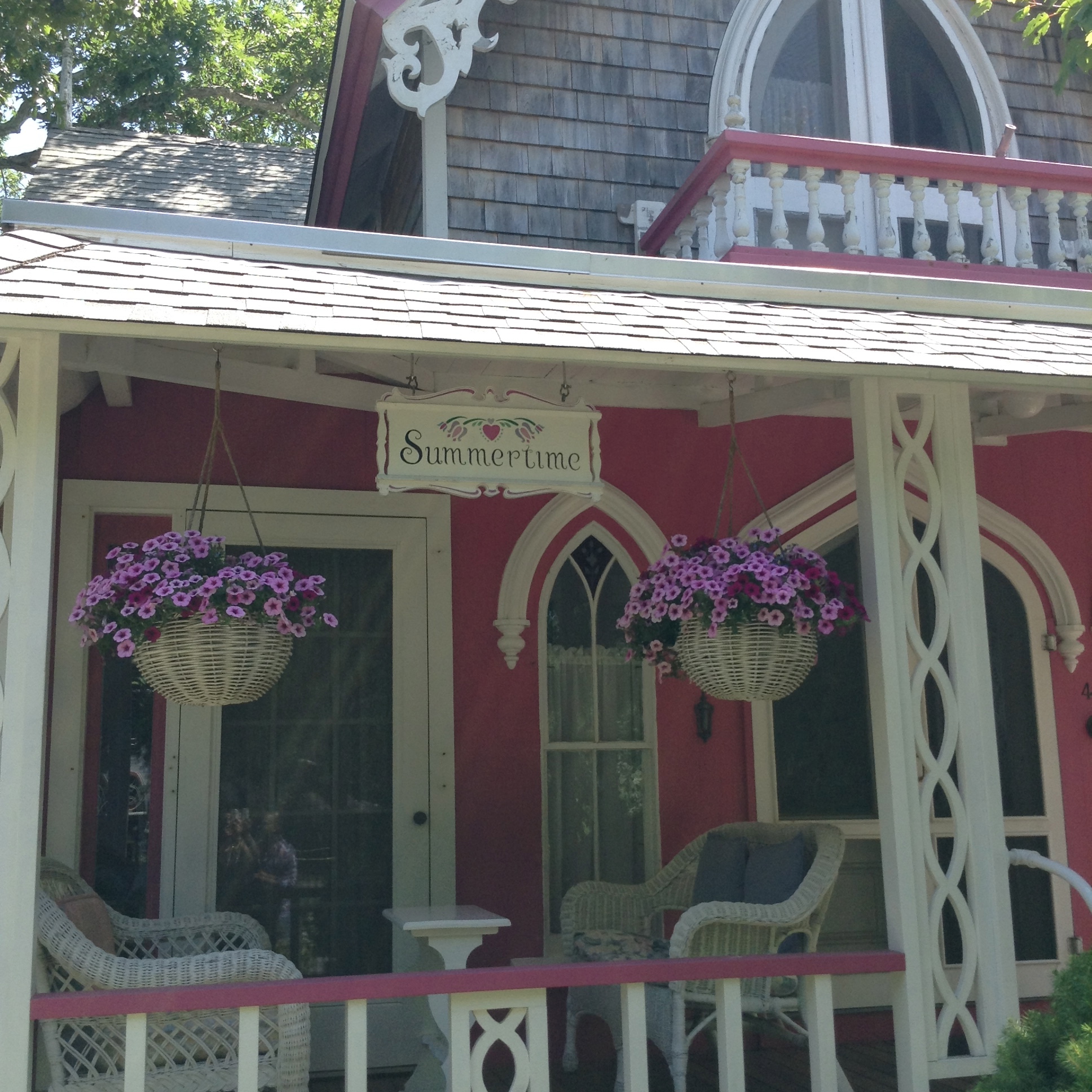
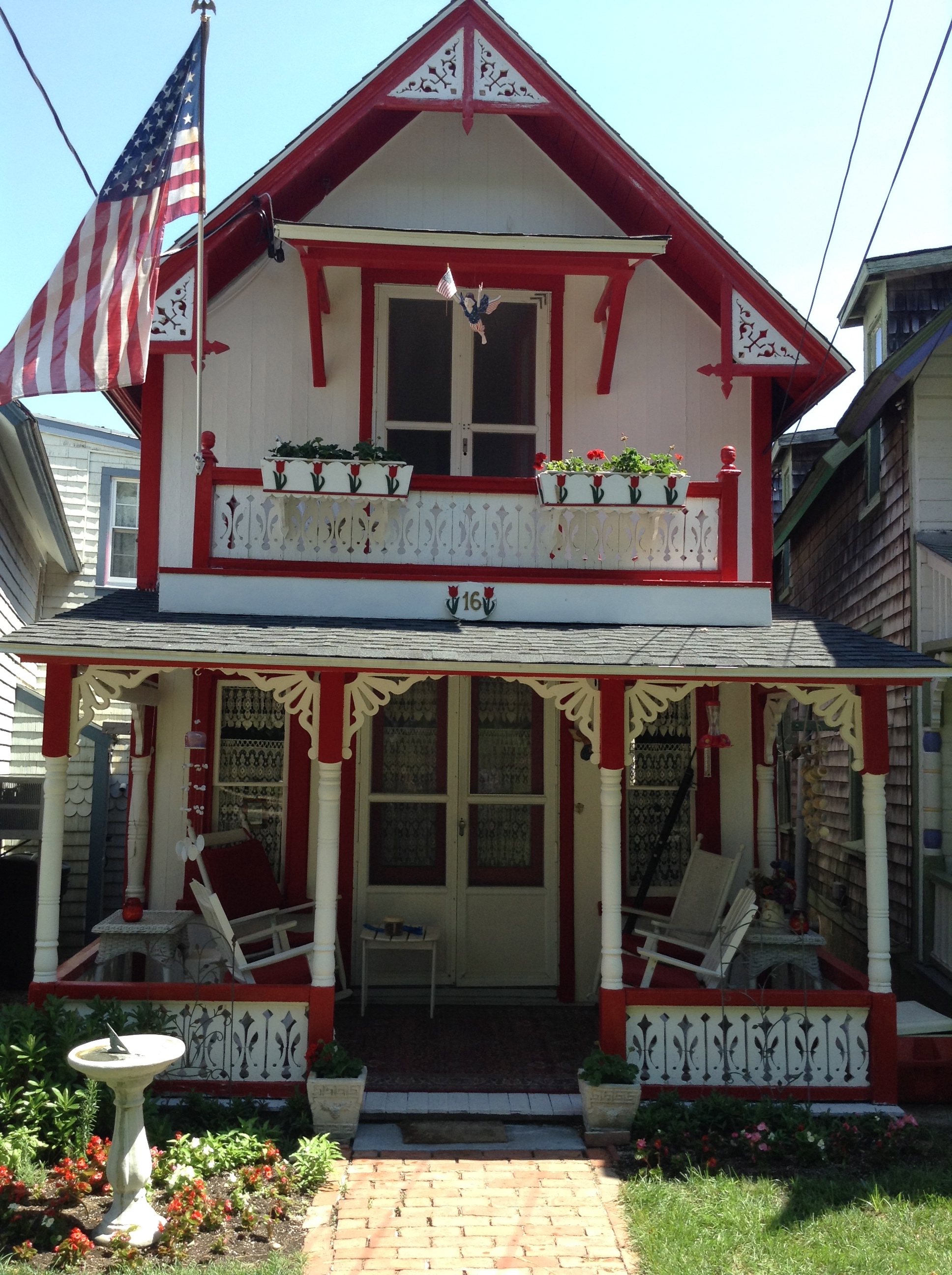
Next morning, Little M wanted to ride the ‘horses again’. We visited the gingerbread cottages in Oaks Bluff. They were all so uniquely themed…

IMG_1231

IMG_1229

IMG_1234

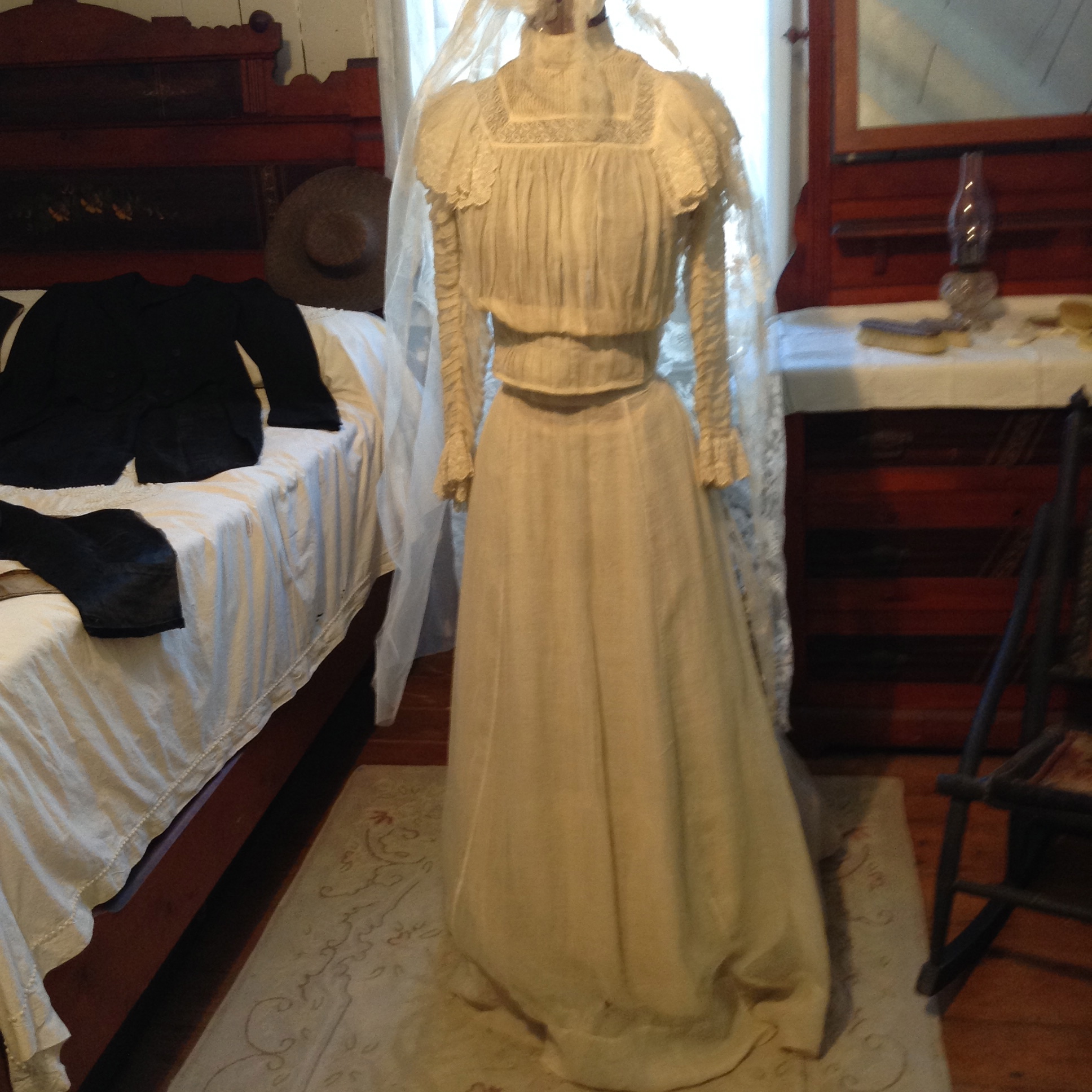
We visited the Museum Cottage which was a peek into what the cottages look like on the inside. They are surprisingly small and claustrophobic.

IMG_1239

IMG_1240

IMG_1238

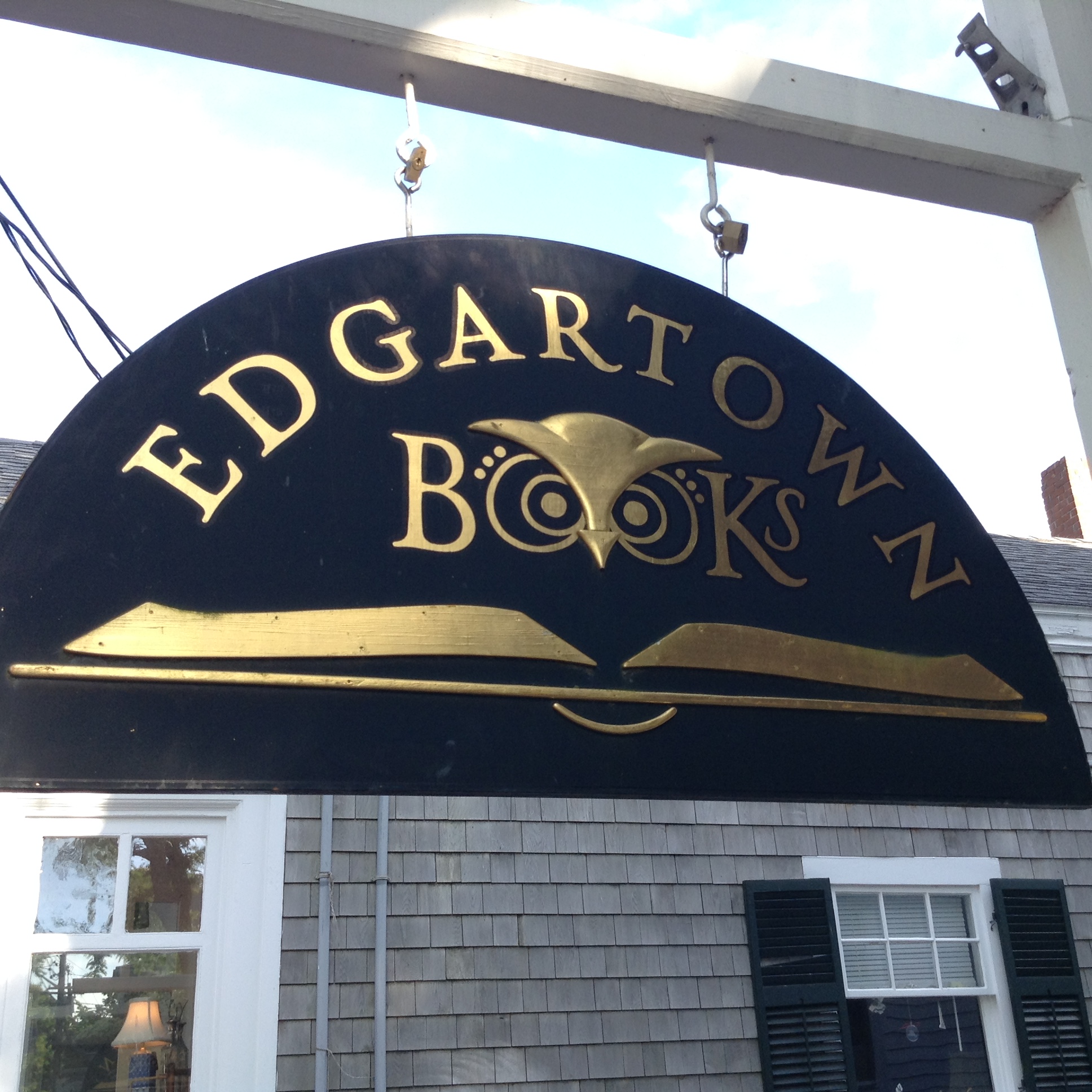
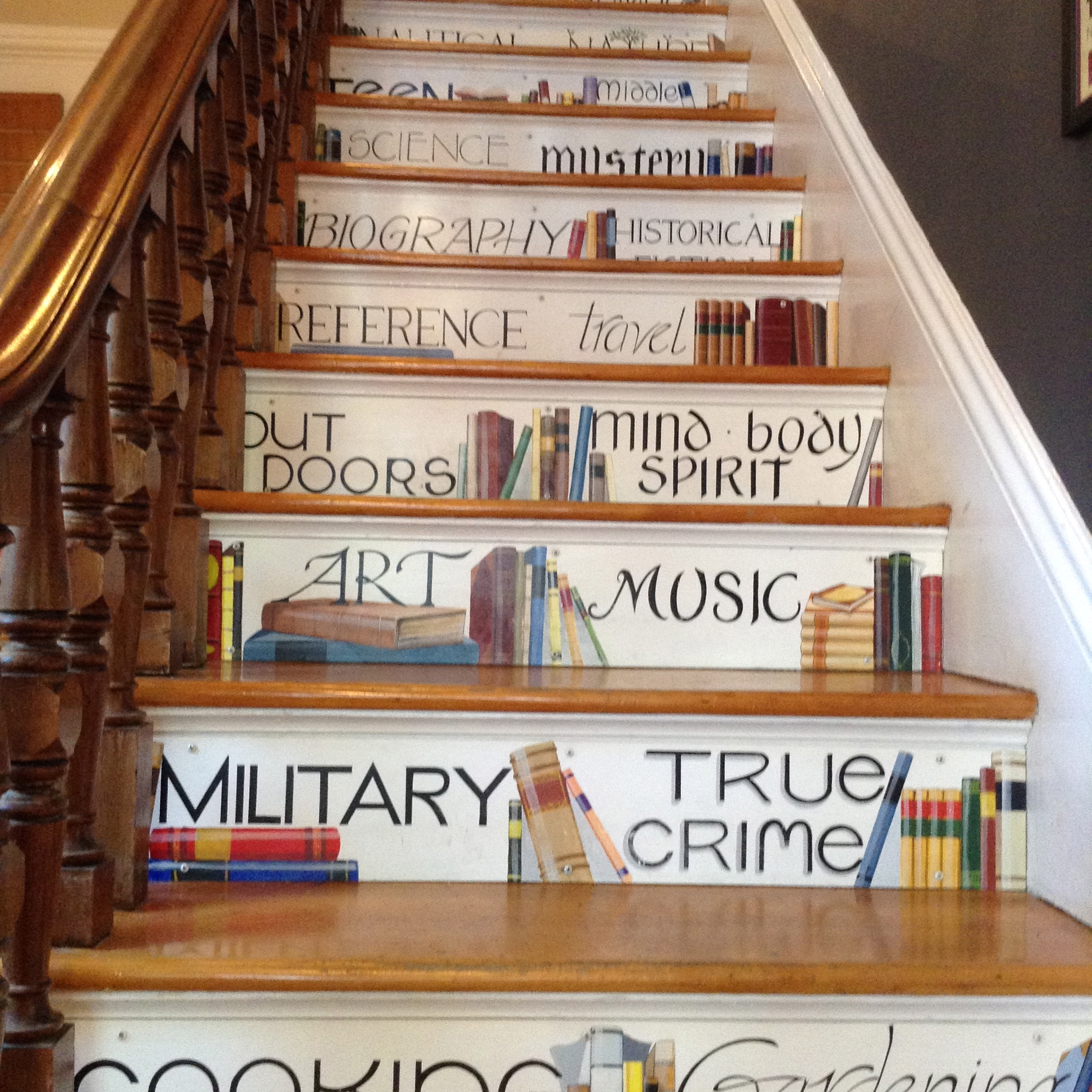
In the afternoon we visited Edgartown and of course ‘Edgartown Books’. It has a nice set of stairs leading upstairs and a small but good selection of books…

IMG_1322

IMG_1323

IMG_1329

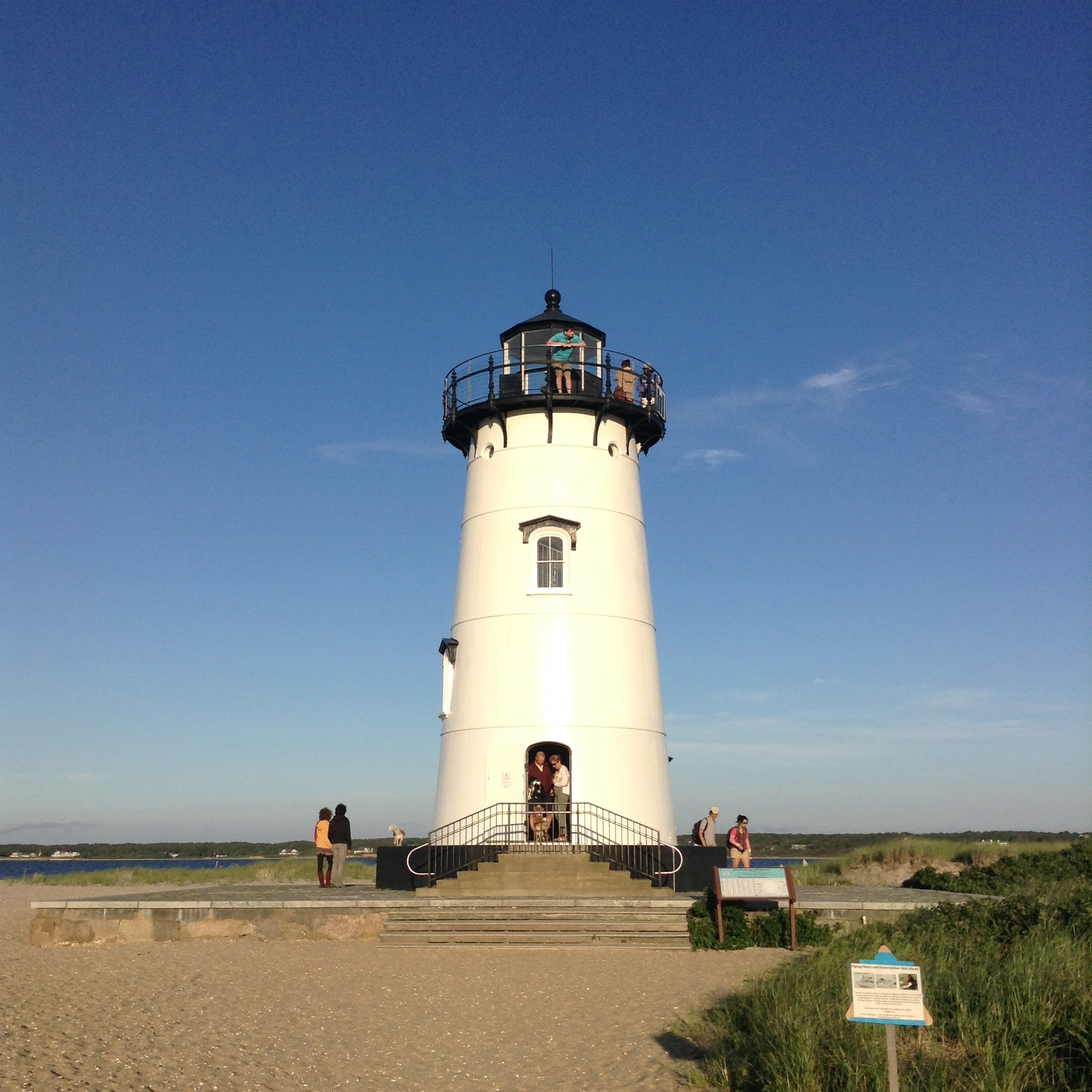
We walked to Edgartown Lighthouse. Little M and her Uncle went all the way to the top of the lighthouse and waved down to us from the top.

IMG_1333

IMG_1345

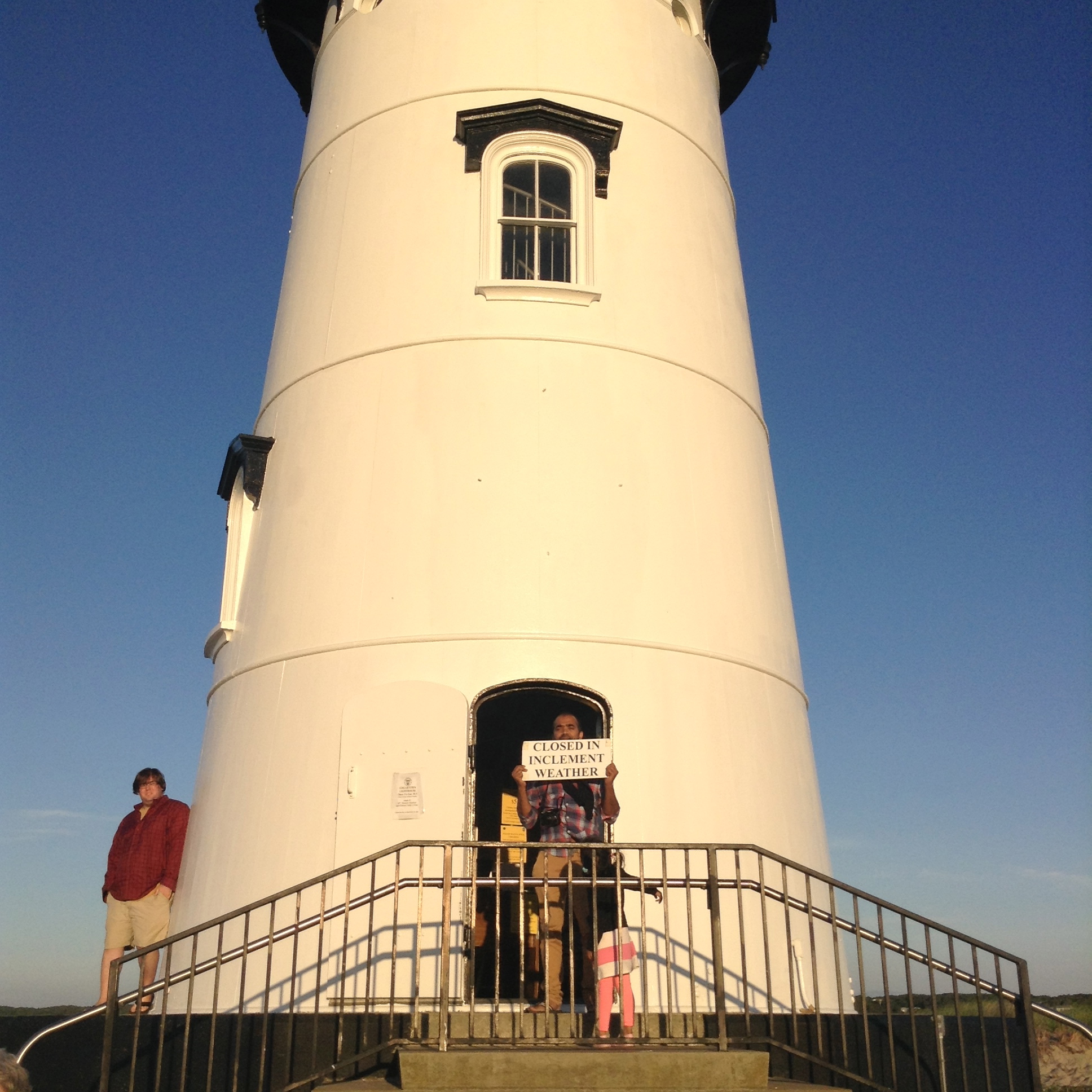
The lighthouse keeper (pictured on the left) very kindly lent Little M’s Uncle some special props which made for great photos! … Memories are made of these…

IMG_1335

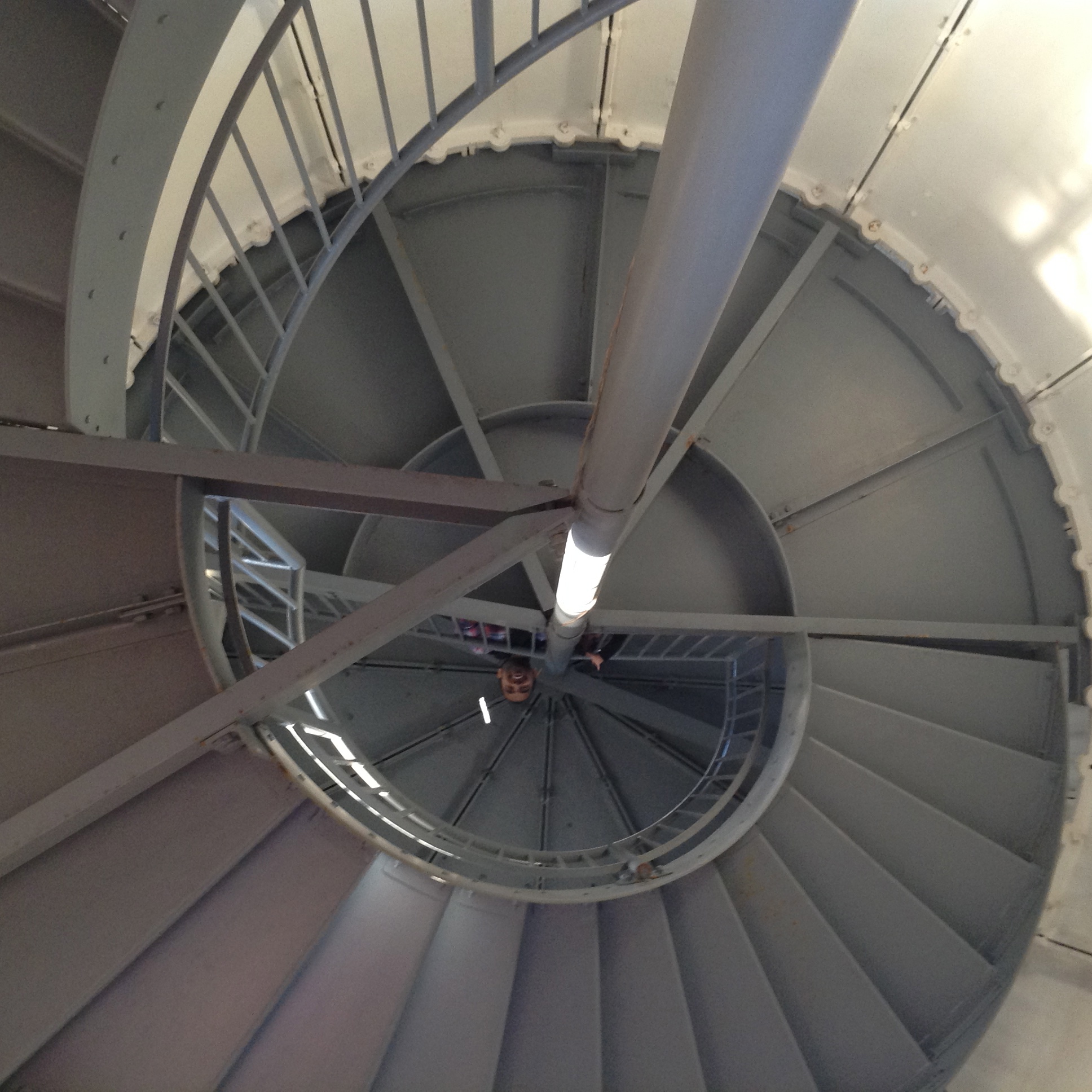
The spiral staircase of the lighthouse as photographed looking upwards.

IMG_1358

The following morning we visited the very picturesque ruddy Aquinnah Cliffs. The lighthouse has recently been lifted and moved (by a friendly giant) further inward to avoid the perils of coastal erosion. I really love how all New England’s lighthouses look so unique.

IMG_1366

In the afternoon the car rode on what must be the smallest ferry in the world- the little Chappy Ferry. It took us to the island of Chappaquiddick. We visited the Japanese Mytoi Gardens. We also combed the beach of East Beach for variegated rocks and pebbles. We spent nearly one hour scouring the beach and amassed what may be several kilos of stones which are now to this day (a month after the trip!) lying unceremoniously in a plastic bag in the boot of our car (go figure!).

The trip is coming to an end and so must the blogpost. I will leave you with some random moments…

IMG_1275

A tube of Jane Austen toothpaste seen at Alley’s General Store in West Tisbury where President Obama visited on his trip to the Vineyard.

IMG_1286

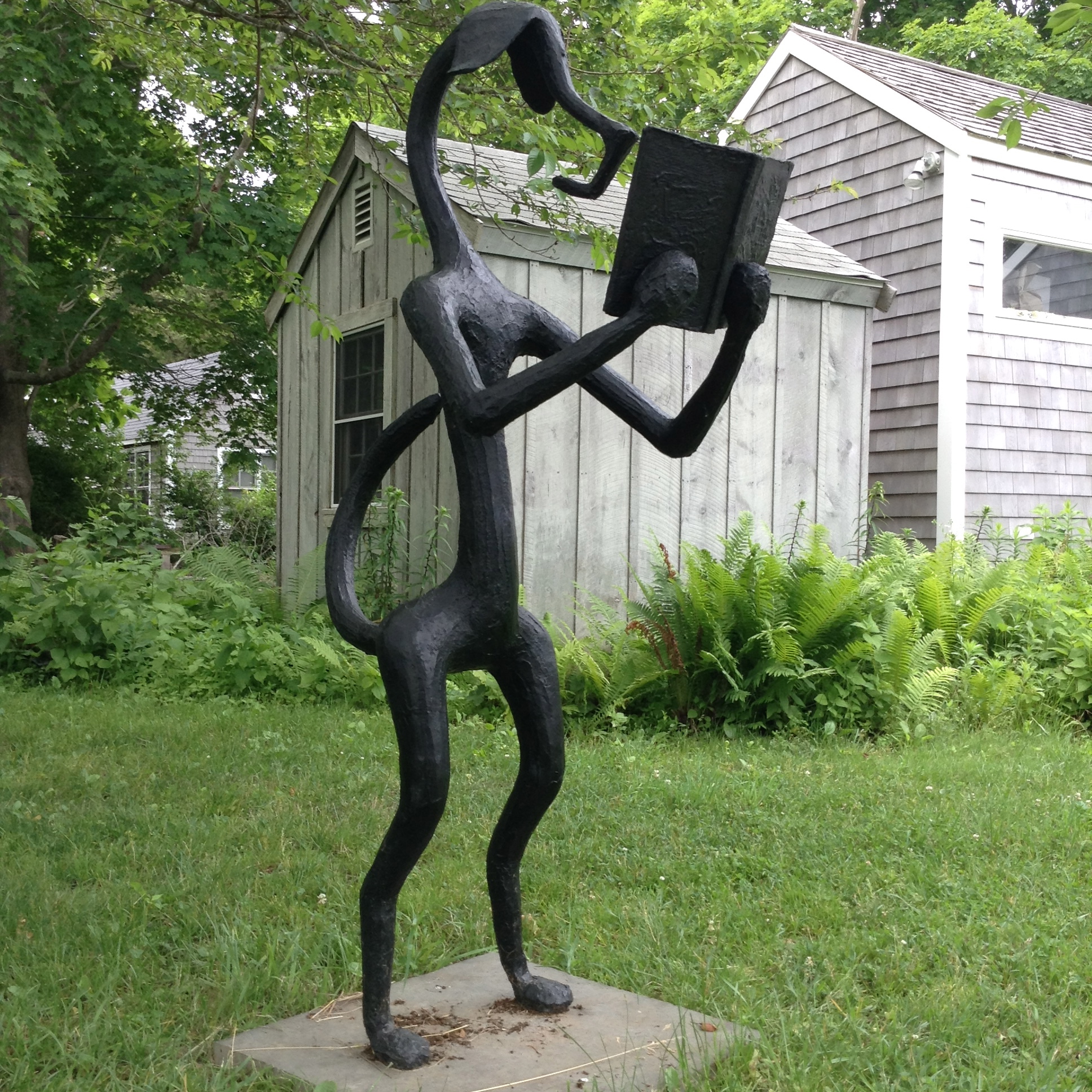
A strange creature reading a book in the ‘Field Gallery and Sculpture Garden’, West Tisbury.

IMG_1309

A final hurrah on the ‘horsies’…

IMG_1374

…and lastly a small memento to remember an unforgettable trip.

A Visit to Brattle Book Shop

0001-37817450

One of my most favorite things to do is to visit independent bookstores. Sadly, they are a rare species nowadays. Whenever I visit a new city I try to pinpoint interesting bookstores and public libraries to possibly visit. I like to browse the shelves of these small bookstores. I like to guess the personality of the bookstore owners through the books they choose to display. One such memorable book shop I visited just recently, is the famous Brattle Book Shop in Downtown Boston.

Boston and Cambridge are cities renowned for their educational institutions. The city as a result is inundated with a rich student population. It is not uncommon to see a slightly unkempt backpacked student, reading Dostoevsky with furrowed brow on the subway. Literally everyone is reading something on the public transportation system, be it a newspaper, a library book or an e-reader.

This is a city closely associated with literary stalwarts like Transcendalists Ralph Waldo Emerson and Louisa May Alcott, poets Henry Wadsworth Longfellow and Oliver Wendell Holmes, writers like Nathaniel Hawthorne and Edgar Allan Poe.

Henry James talked in a satirical tone about the city and the etiquette of its intellectual class in the book ‘The Bostonians’. In more recent times the romance of the city has been captured in Erich Segal’s books ‘Doctors’ and ‘The Class’.

To bring this long-winded discussion to a conclusion- literary Boston is most-deserving of a bookstore of the acumen of the Brattle Book Shop.

IMG_1411It may be a little easy to overlook the location of the bookshop. Whilst walking past the crowd of tourists and Freedom Trail enthusiasts conglomerating on Boston Commons, you might never know that such a delightful book haven awaits you on a quiet side-street to the right. There is nothing very striking about the bookstore facade until you come upon what seems like an unused parking lot adjacent to the shop, crammed with cart upon cart of used books. They are sorted according to topic and price. Here is a shot of several dilligent book browsers. I could easily have spent the whole day looking through the various treasures. What struck me the most was that these used books were not just your run of the mill cast-off books that are often seen at library sales. Most of the books were older, vintage books which had interesting titles. Here is a closer look at some of the book carts.

IMG_1425IMG_1426

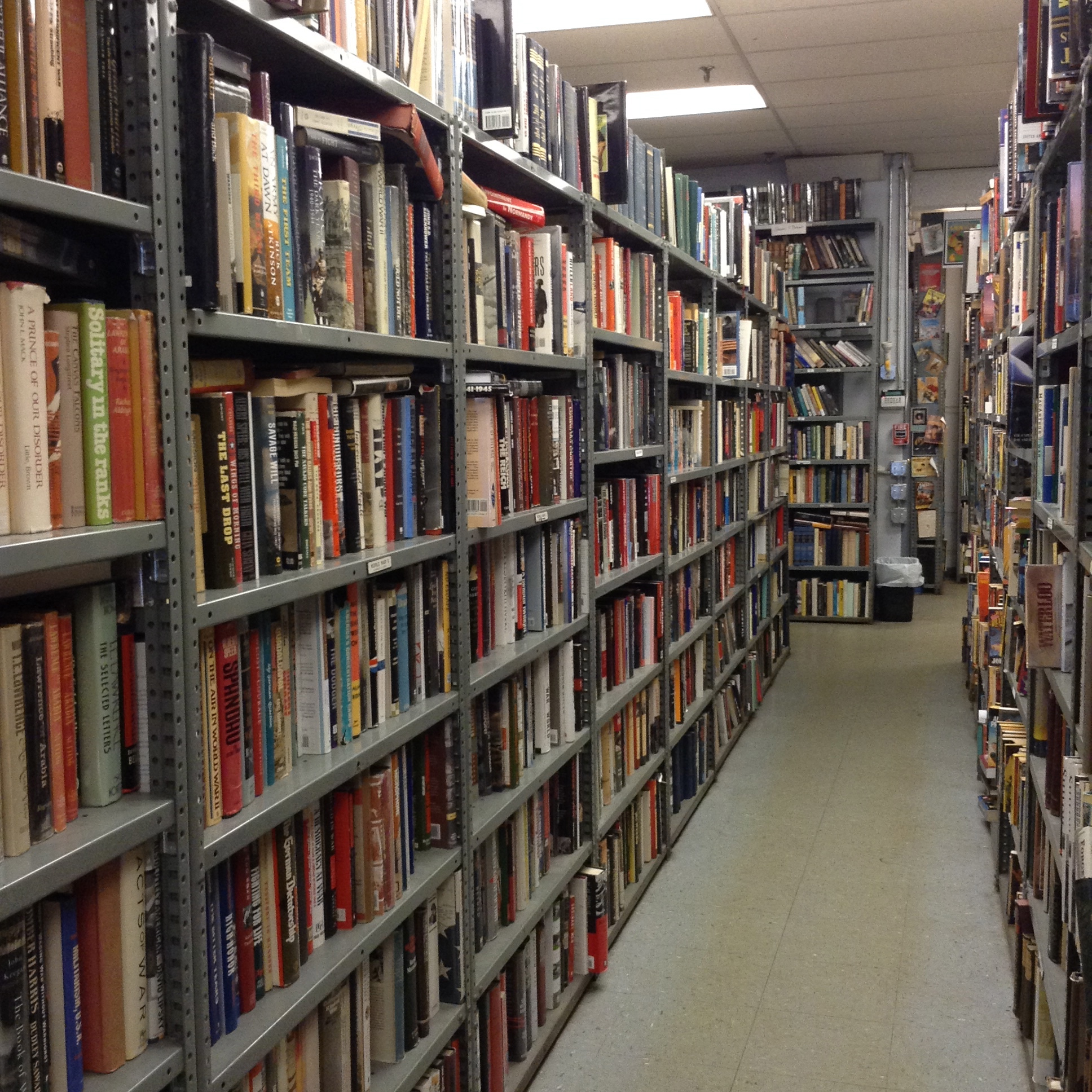
I also found some quaint painted doors which resembled book covers. When you actually enter the Bookstore interior you find yourself in the good company of shelf upon shelf of fiction books, mystery, sci-fi and the upper story also has a dedicated travel book section among others.

IMG_1430IMG_1432IMG_1429

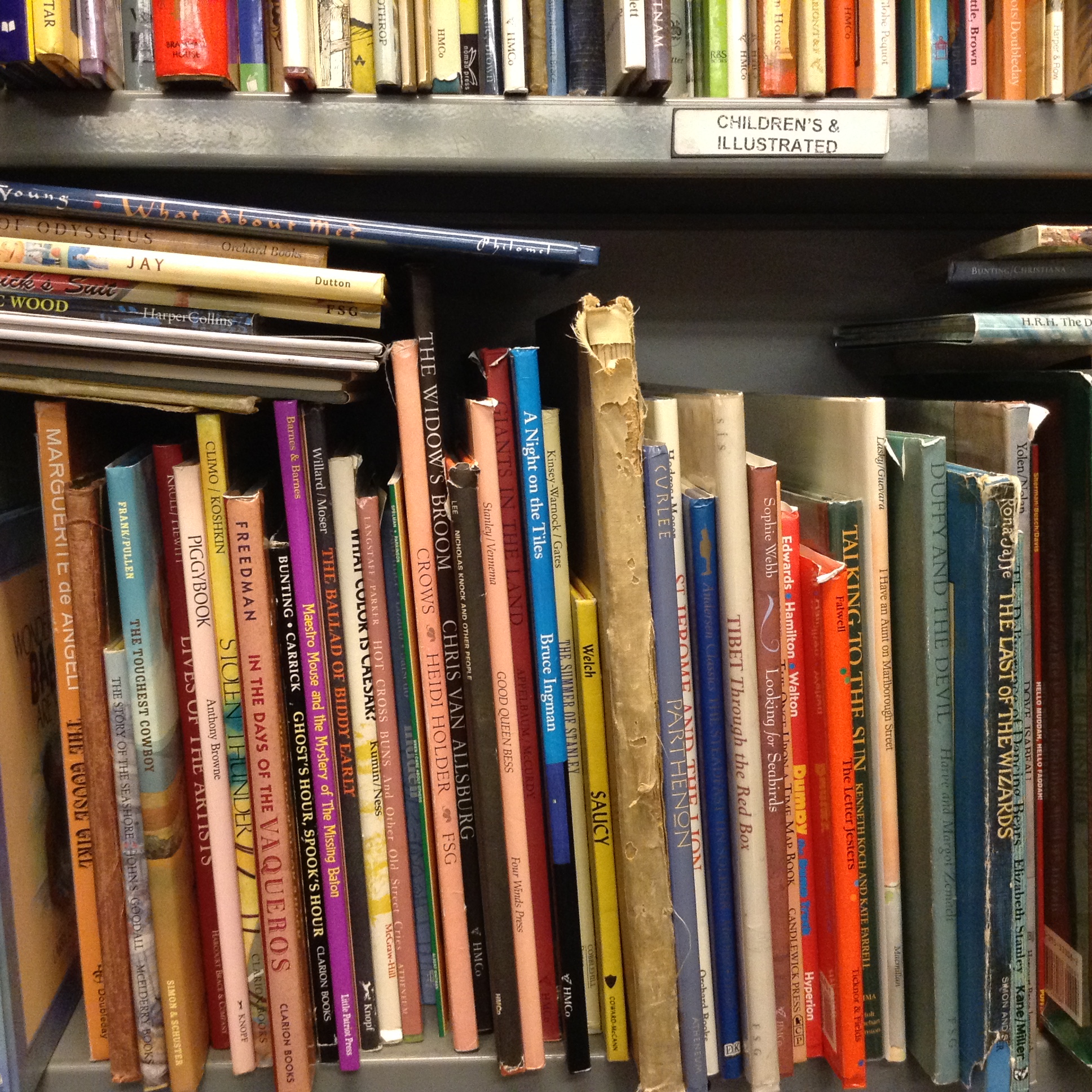
I also found an excellent nook crammed with children’s books. Here is what it looked like and some of the shelved books.

IMG_1439IMG_1440

Lastly I will leave you with the spoils of my treasure hunt.

Processed with VSCOcam with f2 presetProcessed with VSCOcam with f2 preset

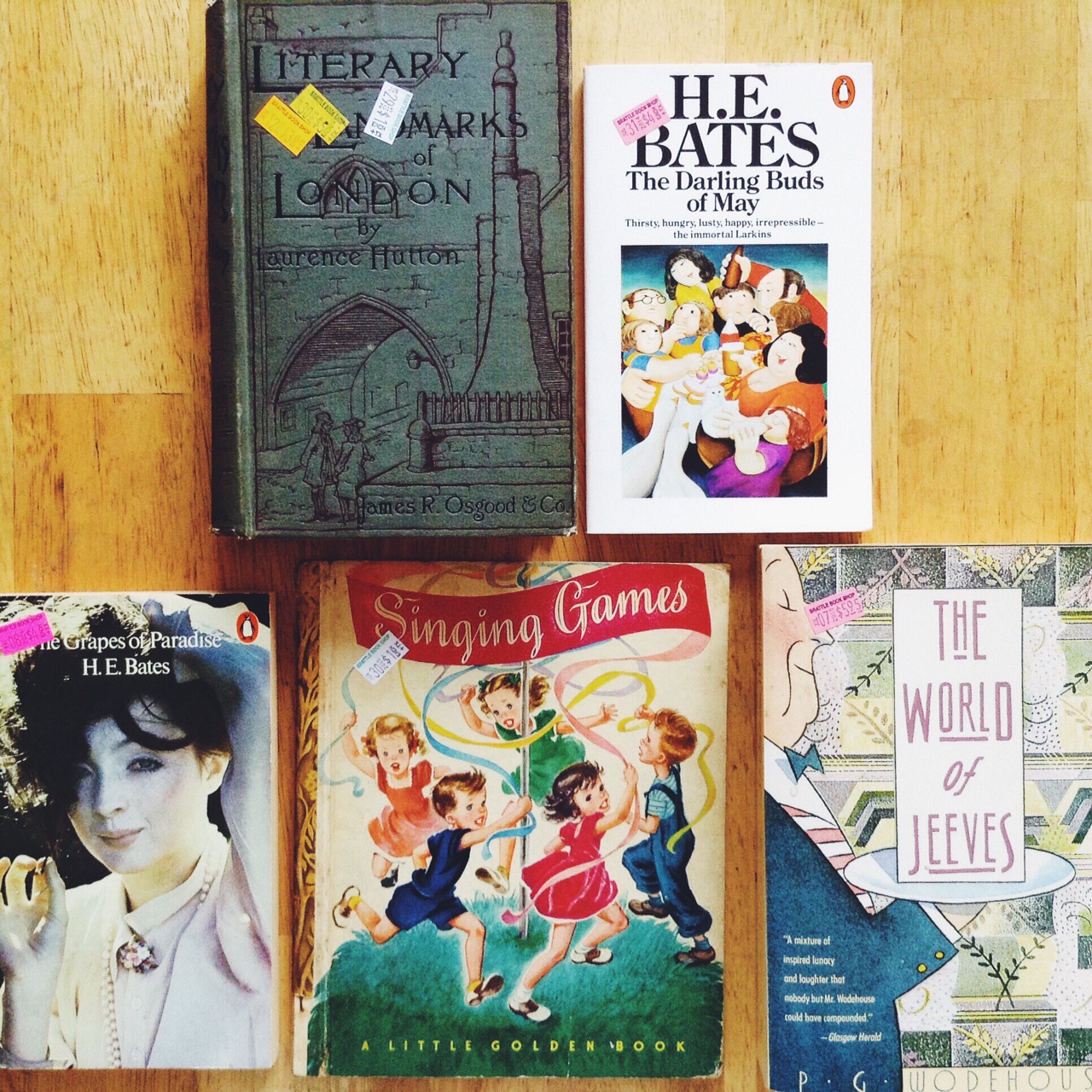
I picked up two books by one of my favorite authors, H.E. Bates and a Jeeves short story collection. You can never have enough of PG Wodehouse in your life. I found a vintage children’s book called ‘Singing Games’ for Little M. I thought it might be fun to research some of the songs mentioned within and try to learn them together as a fun activity. Lastly I found an interesting volume named ‘Literary Landmarks of London’, that looks very serious inside but might have some interesting information.

Lastly, there is a gorgeous illustrated map of Germany. The small illustrations next to the towns and villages are just too cute.

I would love to learn about any favorite book stores you have visited on your travels. Till next time.

Vincent and Camille and a Little Dip into van Gogh’s Past

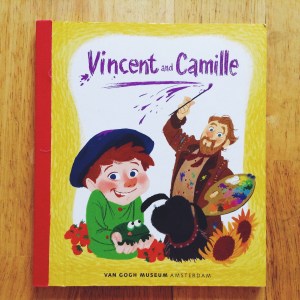
Title: Vincent and CamilleProcessed with VSCOcam with f2 preset

Author: Réne van Blerk

Illustrator: Wouter Tulp

Published: 2013

Main Characters: Vincent (of van Gogh fame!), Camille, Camille’s Mother and Father.

Short Synopsis of the Story: Camille has been asked by Mister Vincent a painter to help him with a little job. Camille’s parents ask Camille what the job is but Camille doesn’t know. Camille sets off from home and walks to Mister Vincent’s yellow house. On the way he sees a very loud train that clatters and causes a loud noise on the rail tracks above a bridge. As the train disappears the noise of the train becomes fainter and fainter. In a small pond opposite Mister Vincent’s yellow house Camille looks for frogs but is disappointed to see none there. He does notice his own reflection in the surface of the pond. Mister Vincent spies Camille from the upper window of his yellow house and beckons him. Camille is led into Mister Vincent’s house which is filled with beautifully coloured paintings. Camille is asked to sit down and Mister Vincent gives him a large glass of lemonade to drink. In the meantime, Mister Vincent starts painting on a canvas but Camille can’t see what he is painting because the back of the canvas faces him.  Camille asks Mister Vincent why his house is painted yellow. Vincent replies

Yellow’s such a beautiful colour. Yellow’s the colour of the sun, of cornfields and of fresh butter.And yellow’s the colour of sunflowers too and buttercups and leaves in the autumn.

Vincent, in turn, asks Camille what color he would paint the house if given the choice. Camille thinks deeply and replies with the answer-green. Green reminds Camille of the grass, leaves and spring… and frogs. Then he changes his mind and replies with the answer-blue. Blue reminds Camille of the sky, the colour of his own eyes, the colour of his father’s big coat and his own cap. Then Camille changes his mind yet again and replies saying he would paint the house red. Red is the color of strawberries and roses. As Camille changes his mind a picture of the house in three different colors can be seen.

Mister Vincent laughs aloud when he hears about Camille’s problem with picking a colour. He remarks that Camille loves colour as much as he does. At this point Camille’s mother and father arrive at Mister Vincent’s house. Mister Vincent comments that Camille has been a great help to him. Camille protests and says that he hasn’t helped Mister Vincent yet, he’s only been talking and drinking lemonade.

The job that Mister Vincent had in mind for Camille is revealed, however, when Mister Vincent shows the whole family the canvas he has been painting. It is a portrait of Camille. Camille stares in wonder at his own image and feels like he is looking into a mirror, only with many different colours. The reds, greens, blues and yellows that they had talked about are all captured in the painting.

Favorite Part of the Story:  In accordance with the theme of painting the book is a very visual one. The images of the train scooting across the train tracks and Camille looking into the pond and catching his own reflection are very striking. The images of Vincent’s yellow house are beautiful and it is nice to see it metamorphose into a green house, blue house and red house in quick succession. What is most delightful are the illustrations of Vincent, Camille and Camille’s father which are instantly recognizable from van Gogh’s paintings. Also not to be missed is the sneak peek into Vincent’s yellow house drawing room, which is filled with canvases of van Gogh’s most memorable creations.

Portrait of Camille Roulin, 1888, Van Gogh Museum, Amsterdam.

Portrait of Camille Roulin, 1888, Van Gogh Museum, Amsterdam.

This is simply a lovely book to get your child excited about painting and coloring. A lovely introduction to van Gogh. The story is insightful and the illustrations stellar. Don’t miss the opportunity of opening up this delightful book.

Portrait of the Postman, Joseph Roulin (1841-1903), MFA,Boston

Portrait of the Postman, Joseph Roulin (1841-1903), MFA,Boston

Incidentally, the Camille from the book ‘Vincent and Camille’ is Camille Roulin, a small boy of the Roulin family, van Gogh was friendly with during his time in Arles. Camille’s father is Joseph Roulin, postmaster, depicted in several of van Gogh’s memorable paintings, one of which is displayed at the Museum of Fine Arts in Boston.  Van Gogh painted multiple portraits of each of the members of the Roulin family. The portrait of Camille, aged 11, described in this book hangs in the Van Gogh Museum in Amsterdam and is entitled ‘Portrait of Camille Roulin’, 1888.

Many thanks to BudgetTraveller and frommadeiratomars for picking up this  book for Little M from the Van Gogh Museum, Amsterdam.

Leaving you with some beautiful postcard images of van Gogh’s works.

Processed with VSCOcam with m3 preset