12 New Authors I Would Like to Read in 2016

0001-102946156

Now that I’m approaching my fourth decade of life, I feel more confident about the choices that I make in life. For example, I know when I enter a Starbucks, to be confronted by a bewildering array of choices, that I am NOT a green tea latte type of person. Most definitely not. For me, it is the subtle aroma of the simple cappuccino, made with a hint of sugar, that gives me pleasure.

Similarly, I have accepted the fact that I will never be the ‘skinny jeans wearing type of gal’ with the permanently furrowed brow. Give me the comfortable boyfriend jeans and I will sink comfortably into my favourite couch, to reach for that reassuring book.

When it comes to book choices too, I have finally reached that beautiful place, when I am able to appreciate in advance, exactly what kind of book I will enjoy reading, even when I have never read a single line written by that author.

Most of them are modern classics, written in and around the twentieth century and deal with stories related to the home and society.

Here in no particular order, are the twelve authors whom I have never read, but I expect (and hope!) will give me many hours of unadulterated reading pleasure in 2016.

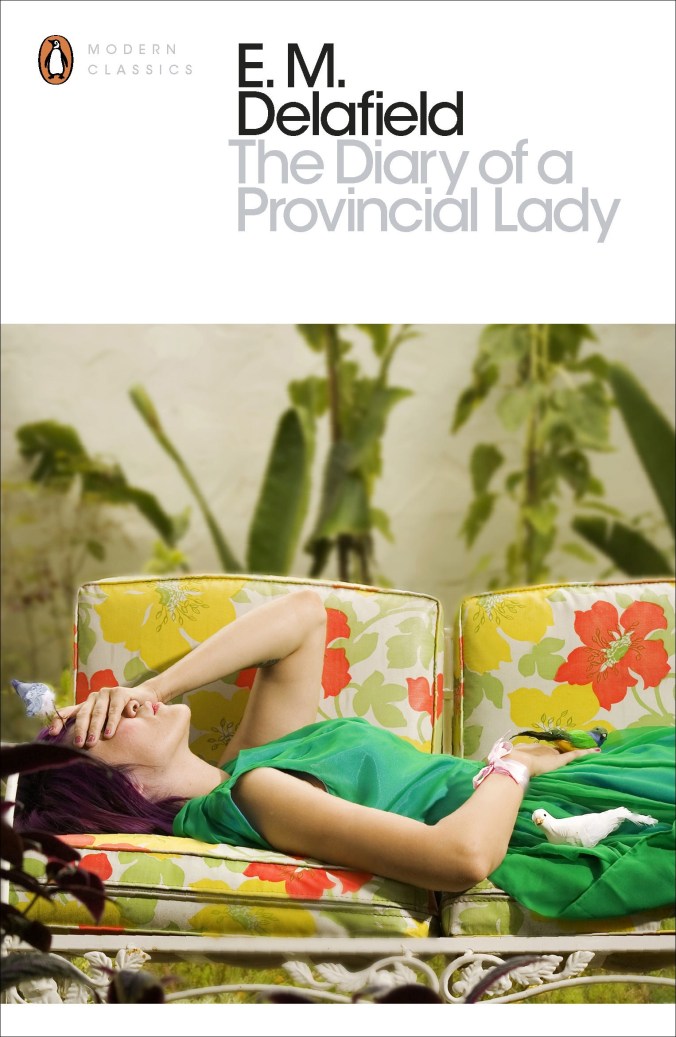
1) E.M. Delafield-  The Diary of A Provincial Lady

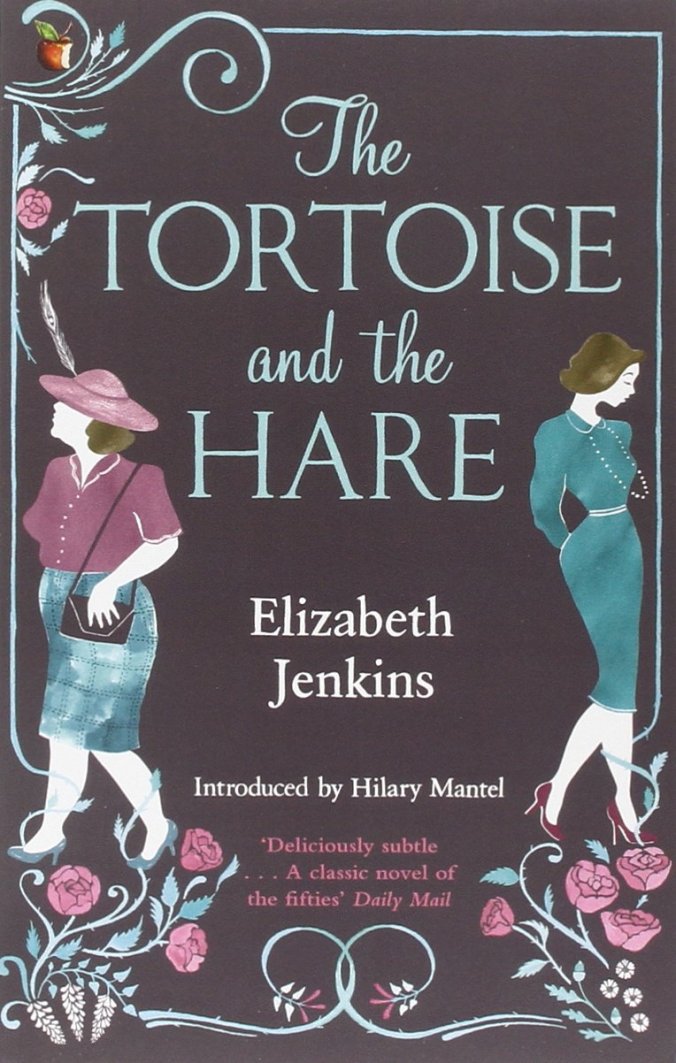
2) Elizabeth Jenkins-  The Tortoise and the Hare

3) E.F. Benson- Mapp and Lucia

4) D.E. Stevenson- Mrs Tim of the Regiment or Miss Buncle’s Book

5) Monica Dickens-Mariana


6) Penelope Lively- Consequences

7) Muriel Spark-The Prime of Miss Jean Brodie

8) Beryl Bainbridge- The Bottle Factory Outing

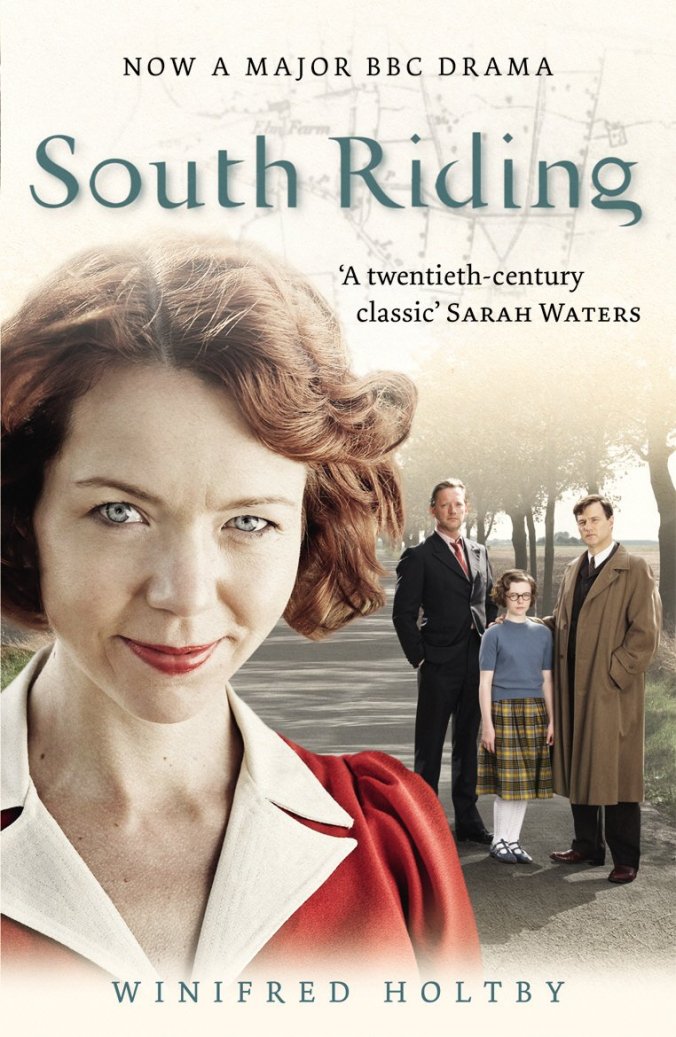
9) Winifred Holtby- South Riding

10) Barbara Comyns- Our Spoons Came from Woolworths

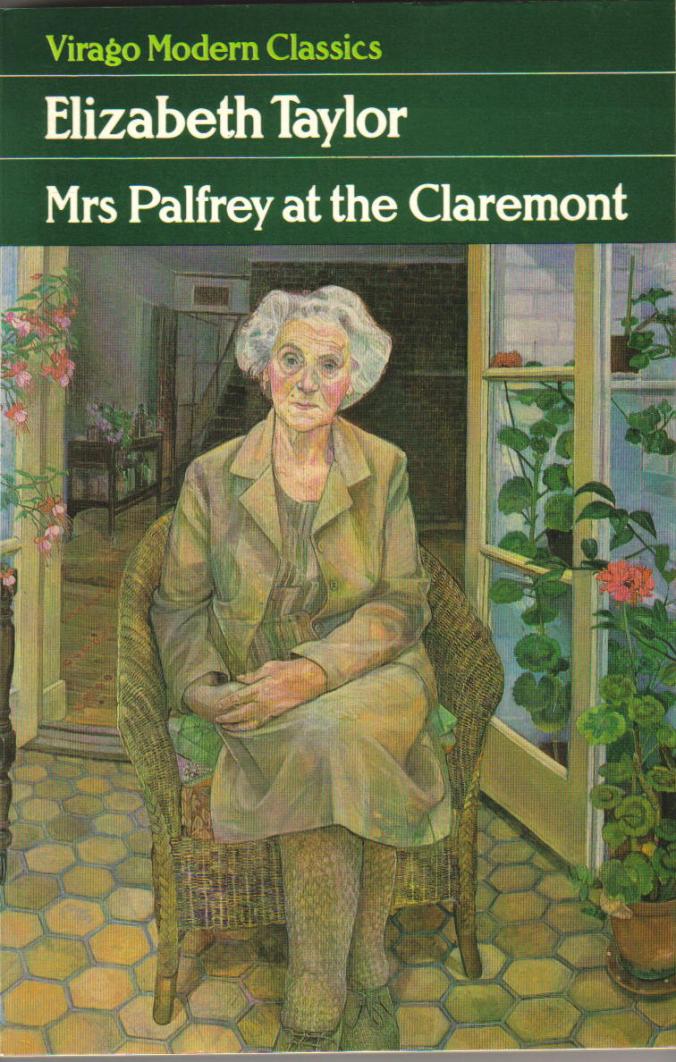
11) Elizabeth Taylor- Mrs Palfrey at the Claremont

12) Josephine They- The Franchise Affair

Please let me know if you enjoy reading these particular authors and which books you have enjoyed reading by them.

Which books do you look forward to reading in 2016?

Here’s to a great year of reading ahead!


November, 2015 Book Wrap Up

FullSizeRender-3

Here is a round up of book related favourites for the month of November, 2015. For a glimpse into October, 2015’s Bookish Favourites please see here.

1. Books

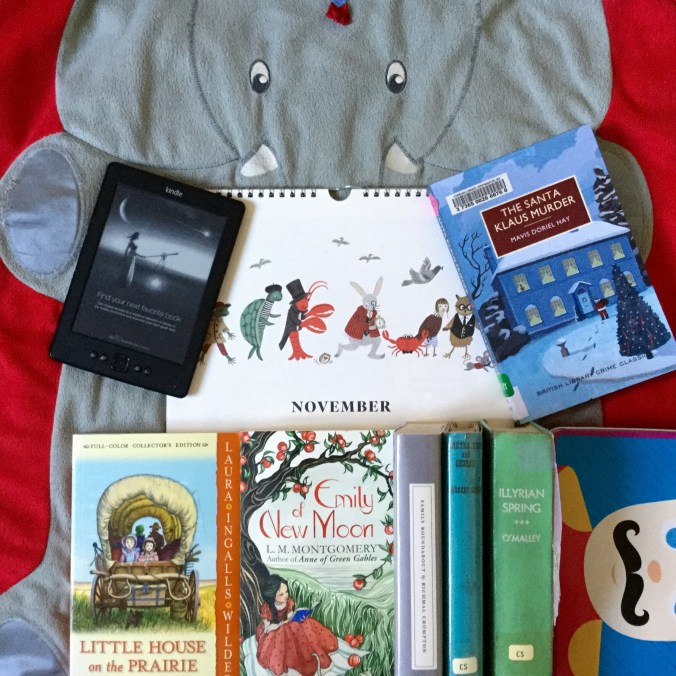
 I  read a total of seven books in November. Two of these books, Emily of New Moon and Little House on the Prairie were part of the #ReadKidsLit read along .

1) Emily of New Moon (4/5*) by LM Montgomery. This is the heartwarming tale of a young motherless girl called Emily who has recently lost her beloved father. Emily’s mother’s side of the family draw lots to decide who will have the responsibility of taking care of the young child. Emily goes to stay with her strict Aunt Elizabeth, loving Aunt Laura and friendly Cousin Jimmy at the idyllic location of New Moon Farm on Prince Edward Island. Despite her immense sense of loss, Emily draws comfort from her beautiful surroundings, the friendships she makes at every turn and ultimately her new family.For a full review see here.

2) Martha, Eric and George (4/5*) by Margery Sharp. This is the third book in Margery Sharp’s ‘Martha’ trilogy. In this book we follow the lives of Martha, Eric and George a decade after where ‘Martha in Paris’ left us. We learn of George’s upbringing in the hands of his grandmother, of Eric’s disillusionment at being unable to progress in both the personal and professional spheres of his life and of Martha’s tremendous success as an independent artist. Martha’s success prompts her to show her paintings at an exhibition in Paris. In Paris, Martha, Eric and George meet one another and this book deals with the circumstances and repercussions of the meeting between a mother and a child who have been distanced for a decade.

3) They Were Sisters (4.5/5*) by Dorothy Whipple. Three sisters marry three very different men. Lucy, the eldest is happily married to William. Charlotte, is besotted with Geoffrey who is a cruel, dominating husband and Vera, the beautiful youngest sister marries caring, wealthy Brian, whom she marries for  security. The story deals with the fact that choosing a life partner can have far-reaching consequences, and that this decision can dictate to a large extent a person’s individual happiness and the happiness of their families.Whipple delivers a masterful plot and powerful cast of characters. She creates extraordinary drama and turbulence within the boundaries of everyday domestic occurrences. For a full review see here.

4) Little House on the Prairie (4/5*) by Laura Ingalls Wilder. This story recounts the brave migration of a small family of five, on a small cart and horse laden with all their worldly possessions from the Woods of Wisconsin to the heart of the MidWest. It also describes the trials and difficulties of setting up house as a pioneer family in a land inhabited by wild animals, and unknown dangers, a land they must share with the Native American people.

5) Illyrian Spring (4.5/5*) by Ann Bridge. This book is a part travelogue, part love story set in 1930’s Croatia, along the picturesque Dalmatian Coast. World-renowned artist, thirty-eight year old Lady Kilmachael, the wife of an eminent economist and mother to three grown-up children, leaves her family and all that she holds dear and escapes to Venice and Croatia’s remote Dalmatian Coast. She fears for her marriage, suspecting her husband of embarking on a possible affair and also is saddened by the strained relationship she has with her daughter. In Venice she meets a disillusioned young man, Nicholas, a man on the verge of being coerced into an architectural career by his parents but desperately yearning to paint. By chance, Grace and Nicholas find themselves on the same cruise to the Dalmatian Coast. Grace is persuaded to guide and train Nicholas in his artistic endeavours and together they spend several idyllic weeks together painting and enjoying each other’s company. However, when young Nicholas falls in love with Grace, she finds she must choose between following her better judgement or her heart.

6) Family Roundabout (4.5/5*) by  Richmal Crompton. This Persephone book looks at the complex relationship between two neighboring families, the Fowlers and the Willoughbys,  whose outlooks on life, are on one hand in opposition to one another, but on the other hand, find their paths unavoidably intertwined. Both the matriarch’s of the families, keep a close eye on the fates of their beloved families, but employ different styles. Mrs Willoughby, has control of the family fortune, and dictates the actions of her family members by way of controlling the money she bestows upon them. Benevolent Mrs Fowler, watches silently, as her children fall in and out of their individual problems. Most of her children appeal for her help when they require it. But despite, however, much the mothers’ try to resolve their children’s problems, new troubles, recur in cyclical events, almost like a roundabout.

7) The Santa Klaus Murder by Mavis Doriel Hay. In this vintage crime fiction novel, a large family gathers together in their large family home, in the country during the Christmas season. The head of the family, wealthy Sir Osmond Melbury, is found dead on Christmas Day by a guest, dressed up as Santa Klaus. Everyone in the house has a motive for committing the murder except Santa Klaus himself. However, Santa Klaus is the only person, in the entire house, with the opportunity, or so it would seem…

2. Blogposts

 I published eight blogposts excluding this round-up post this month. Three were reviews of children’s books: The Very Hungry Caterpillar, Green Eggs and Ham and Madeline. The rest included reviews of the books-  Martha in Paris, They Were Sisters, Emily of New Moon and Cheerful Weather for the Wedding. I also published The Thoughtful Holiday Gift List for the Booklovers in Your Life.

I wrote a blogpost for Budgettraveller.org describing Fifteen Books that Made me Fall in Love with Europe. In doing so I was able to read and re-read a number of delightful travelogues.

3. Movies

We watched Jim Carrey’s ‘A Christmas Carol‘. This is such a delightful movie to watch around the festive season! The special effects are just magical and conjure a beautiful image of Dickensian London during yuletide. We also watched ‘Cheerful Weather for the Wedding‘. I saw the film soon after reading the book by Julia Strachey. As a consequence the dialogues in the book were fresh in my mind and were not faithfully repeated in the screenplay. This rather disappointed me, but if watched independently of the book, this is not a bad film. We also commenced watching Season 1, part 2 of the dramatization of Diana Gabaldon’s  ‘Outlander’ series. There is so much drama in this series and very entertaining to follow.

4. Audiobooks

 I listened to the excellent BBC dramatization of Dodie Smith’s ‘I Capture the Castle’ on BBC radio this month. I am also slowly listening to the BBC dramatization of CS Lewis’s excellent Narnia novels. Starting with ‘The Magician’s Nephew’. I also was quite interested in the discussion about Jane Austen’s Emma in an episode of ‘In Our Time‘ hosted by Melvyn Bragg.

5. Miscellaneous

 I indulged in purchasing a few audiobooks this month. These include a series of readings from Anthony Trollope‘s Barsetshire  novels. I also have the recording for  ‘War and Peace‘ at hand. I hope to embark on a reading challenge of sorts next year, centered around either one of these books.

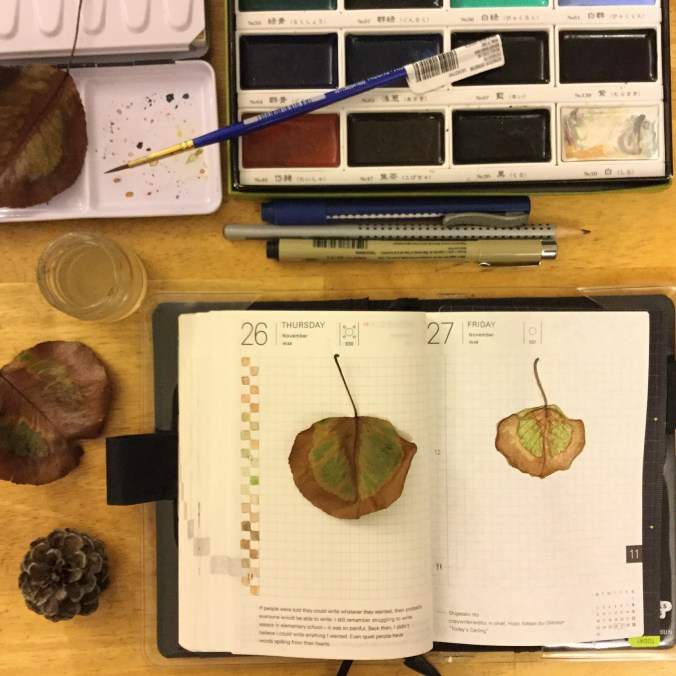
I did a few paintings for my art journal on Instagram. You cnd some examples below.

6. Next Month

Next month I hope to make a dent in my TBR pile. Books that I am looking at are the Mystery in White, Sweet William by Beryl Bainbridge and the illustrated copy of Harry Potter.

Wish you all a happy and bookish, festive December!

Please tell me what you have been reading this month?

 IMG_0404

IMG_0405

Emily of New Moon by L.M. Montgomery

IMG_2088

Excerpt: This is the heartwarming tale of a young motherless girl called Emily who has recently lost her beloved father. Emily’s mother’s side of the family draw lots to decide who will have the responsibility of taking care of the young child. Emily goes to stay with her strict Aunt Elizabeth, loving Aunt Laura and friendly Cousin Jimmy at the idyllic location of New Moon Farm on Prince Edward Island. Despite her immense sense of loss, Emily draws comfort from her beautiful surroundings, the friendships she makes at every turn and ultimately her new family.

  • Title: Emily of New Moon
  • Author: L.M. Montgomery
  • Published: 1923 by McClelland and Stewart, later published by Virago Press, 2013.
  • Location of the story: Prince Edward Island, Canada.
  • Main Characters: Emily Starr, Aunt Elizabeth, Aunt Laura, Cousin Jimmy, Teddy, Ilse, Perry.

Thirty years after I had read the Anne of Green Gables series I picked up Emily of New Moon by L.M. Montgomery.  When I shared that I would be reading this book on social media, many people told me how much I would love the book. I must admit my thoughts were laced with a great deal of doubt. Would an author who had beguiled me in childhood be able to exert the same power over me in my maturity? I can only answer in the affirmative. Undoubtably so.  

The story opens with the revelation that Emily Starr’s father is dying and has but a few days to live. We witness the heart wrenching sequence, where motherless Emily is cruelly introduced to this fact via a woman who is a domestic help to the small family. Emily, a highly imaginative child, finds the luminous, magical world she has created for herself, crumbling before her eyes. Her consumptive father, her one and only mainstay in life, is being taken away from her and she has no-one else, in the whole wide world to call her own, except for her cats.

To add to the heartbreak, Emily’s maternal relatives, the Murrays, people who have shunned her father during his lifetime are charged with looking after the orphan. They do this willingly, as part of their duty towards their long-gone sister, Emily’s mother. The relatives assemble at the Starr house after Douglas Starr’s death, to draw lots and decide who the responsibility of bringing up the child will fall to. Strict Aunt Elizabeth, sweet Aunt Laura and funny Cousin Jimmy bring Emily home to New Moon Farm, on the other side of Prince Edward Island.

Emily’s great grief at losing her father is relieved by a number of factors. One of these are the lengthy letters that she secretly writes to her father. These letters help her to connect with him, allay her loneliness and also allow her to heal via the act of creative writing.

Emily’s grief is also alleviated by the joy she finds in the natural beauty surrounding New Moon Farm. She finds joy in the trees, the flowers and the beauty of New Moon’s surroundings. When Emily sees an object of great beauty or is moved by a vision or a scene, she experiences a moment of great ecstasy, that moves her to write.

…And always when the flash came to her, Emily felt that life was a wonderful, mysterious thing of persistent beauty.

Emily is also enraptured with Cousin Jimmy’s beautiful garden. Cousin Jimmy provides Emily with companionship and a shared love for poetry. Due to an unfortunate accident that occurred during Cousin Jimmy’s childhood, that caused irreparable damage to his head, the folk around New Moon Farm are of the opinion that Cousin Jimmy is ‘not all there’.

Emily, who grows to like Cousin Jimmy’s gentle ways, states memorably:

As for Cousin Jimmy, he was nice. Whatever part of him was missing, it wasn’t his heart.

Emily forges a great many friendships. There is the tomboy Ilse who lives next door. Emily and Ilse are constantly sparring but despite this fact, their bond of friendship is very strong. Emily, motivates motherless, undisciplined Ilse to attend school.

Emily also befriends artistic Teddy and helps him to emerge from his possessive mother’s shadow. But most of all, Emily influences, farmhand Perry. Perry tries to learn etiquette and manners and strives to do well at his lessons at school.

Outside of Emily’s close knit circle of friends is kind Aunt Laura. In Aunt Laura’s affection, Emily tries to find the mother that she never knew.

Emily of New Moon, the first book in the Emily Starr trilogy, introduces us to Emily, shows us how she adjusts to the new environment of New Moon Farm, how she makes innumerable, meaningful relationships with the people around her and how she constantly seeks solace for the loss of her father though writing.

Emily’s character, like that of Anne Shirley’s, is laced with faults. We witness her getting into various scrapes but we also see that she is conscientious enough to try to redeem herself in the situation, which makes her character eminently likable.

One cannot help but draw comparisons between Anne of Green Gables and Emily of New Moon. Both books are set in Montgomery’s native Prince Edward Island. Both Anne and Emily are orphans who feel unwanted in their future homes, at least initially. Both Anne and Emily find people in the household who are kind and sympathetic to their emotional needs. Anne finds Matthew, Emily finds Aunt Laura and Cousin Jimmy. Both girls forge close friendships; Anne with Diana Barry, Emily with Ilse. Both girls have potential future suitors. Anne and Emily both have a hard time with their teachers in school. Both girls are highly imaginative, with a love for reading and writing. I must say that I feel Emily gets into fewer scrapes than Anne!

Even though there are undeniable parallels, the story for Emily of New Moon was interesting enough to claim my attention. The writing was especially poignant at times. The death of Emily’s father and her letters to her father are instilled with such pathos that one cannot but weep along with Emily, for her loss and how alone she is in the world. One can take heart though from Emily’s indomitable spirit and her ability to forge friendships and find beauty in her surroundings.

Montgomery has yet again presented to us a passionate, willful young woman with a tragic past, eventful present and promising future.

The Eye of Love by Margery Sharp

IMG_1980

Title: The Eye of Love

Author: Margery Sharp

Published: 1957

Location of the Story: London, England during the 1930’s Depression.

Main Characters: Harry Gibson (Dolores’s King Hal), Dolores Diver (King Hal’s ‘Spanish Rose’), Martha (Dolores’s orphaned neice), Mr. Joyce, Miranda Joyce (Harry’s betrothed), Mrs. Gibson (Harry’s widowed mother), Mr Phillips (lodger)

The Story: An unlikely hero (tall, middle-aged Henry Gibson) and an unlikely heroine (angular, past her prime Dolores Diver) meet at a Chelsea Arts Ball dress ball dressed as a brown-paper parcel and a Spanish dancer respectively and instantly fall in love with one another. Between them grows a fairytale romance dominated by the passion of ‘King Hal’ (as Dolores lovingly calls him) and the exotic beauty of his ‘Spanish Rose’.

Despite their differing social circumstances, which prevents them from marrying, they come to a happy unlawful arrangement by which Harry leases a house for Dolores in  5 Alcock Road, (a shady part of London) and visits her two days a week on the pretext of work. Though the arrangement sounds illicit, to King Hal and Dolores nothing can besmirch their beautiful romance.

Thus continues this state of affairs until Dolore’s estranged brother dies, leaving no-one to care for his orphaned daughter Martha. Martha arrives in her aunts household at the age of six, a strange unemotional child, with a large appetite and a penchant for drawing objects. Martha is aware of a relation of sorts between her Aunt and Mr. Gibson but as Mr. Gibson never presumes to encroach upon Martha’s personal space, all three of them get on very well together.

Harry and Dolores’s domestic bliss is shattered when Harry is forced to accept the hand in marriage of Miranda Joyce, whose father is an affluent businessman. He does this in order to save his failing business. With a heavy heart Harry and Dolores break off their liaison and try to resign themselves to the prospect of leading loveless lives, away from one another.

Harry tries to piece his business together during the daytime, surrounding himself with objects that remind him of Dolores and his heart sinks at the prospect of dining every night at the Joyce residence. His only ally is his future father-in-law , Mr. Joyce, with whom he develops a great camaraderie. He also promotes this friendship to minimize his personal time with Miranda Joyce, who annoys him tremendously and reminds him more and more of how much he adores his ‘Spanish Rose’.

Dolores on the other hand tries to pull together a source of income for herself and the child Martha now that she is no longer benefiting from the largesse of Harry Gibson. She is unsuccessful in every attempt of securing a job she embarks on. She realizes that after a decade of shutting herself up, with no-one but King Hal to grace her world, she is all of a sudden very alone, friendless and without the resources to fend for herself. There is the rent to pay, food to put on the table to meet the appetite of the ever-hungry Martha and other bills to pay. In the evening, she locks herself in her inner sanctum-sanctorum -the small sitting room filled with objects of art that Harry had bought her. The very place where she and Harry would spend their evenings together. She spends her time pining for Harry.

It is at last left to Martha, to find the perfect answer to all their economic problems- an unobtrusive lodger- Mr. Phillips. All is well until Mr. Phillips delves too much into Dolore’s past and tries to manoeveure her into a marriage of ‘convenience’.

Can circumstances bring King Hal and Dolores together again? The prospects look bleak until Miranda Joyce’s insatiable curiosity gets the better of her and she plans a reunion of the Spanish Rose and King Hal under the most uncomfortable of situations. Miranda Joyce in doing so underestimates the very great power of ‘the eye of love’.

Conclusion: ‘The Eye of Love’ is a terrific story that is easy to read, enjoyable and funnyMargery Sharp writes with great candour and has a flair for developing unusual, unorthodox characters and plots. The book is out of print at the moment. I do hope this book and more of Margery Sharp’s work will become available in future. It would be a shame to lose the writings of such a gifted story teller.
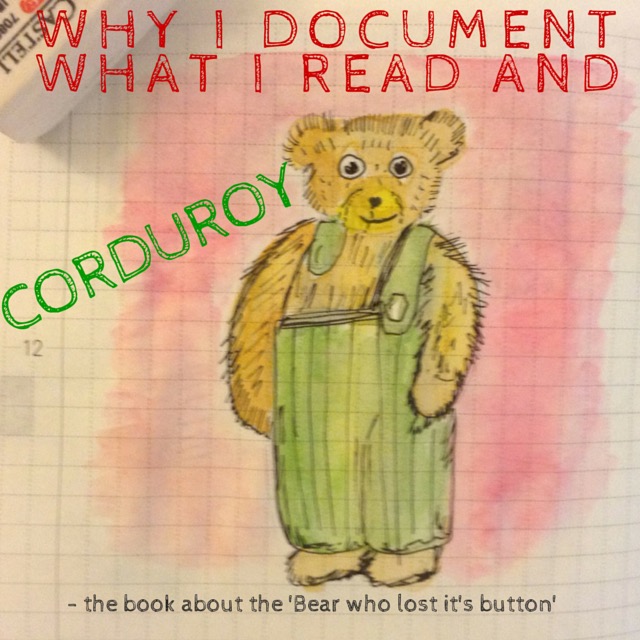
Why I document what I read and Corduroy – the book about the ‘Bear who lost it’s button’

IMG_2310

The other day, while I was in the midst of my daily activities I was struck by a sudden thought. This is not an unusual occurrence for me. I really like to think about things. Some would say overthink things. I prefer to say I like to mull over things. I’m afraid they are not always deep thoughts. I would like to say that I ponder over the theories of existentialism, being and nothingness and Newtonian principles, but more often than not I wonder what’s for dinner, whether I can go another day without washing my hair or what to paint in my journal that night.

There is one thing I will say about myself. I do like to think about what I’m reading or my overflowing to be read list. I also like to mull over books from the past. How they made me feel? Where I was when I was reading them? How old I was? Did I discuss the book with friends? What my personal non-bookish life was like when I was reading it? So on and so forth…

Then I got to thinking about my new blog escapade and why I like to document what I read. Even when I was a child I used to keep a book diary of sorts. Each page would have the title of the book. The author’s name. A hand drawn illustration about the book- a necessity to make the page look pretty and a short summary about the book.

I keep this blog especially the children’s book section as a useful resource for other parents who might, like I, be bewildered at the book store or the library, searching for something memorable to read with their child. There is another rather selfish reason. I document what I read to store precious memories of what I read with my three year old… what the books were about… but most importantly what our reactions to the book were. I like to imagine her in the years to come scrolling through these blogposts (and not totally obsessed about painting her nails and other ‘teenager-like’ things) and reading about our book adventures. I hope she will grow up to love reading as much as I do. Books are the best companions… well next to people.

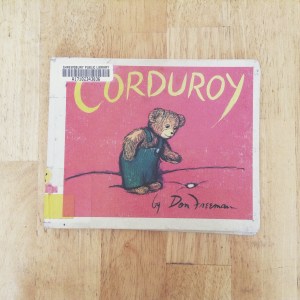
Here is a memory from the book ‘Corduroy’ by Don Freeman.

A little bear called Corduroy lived in the toy department of a big shop but was sad because no one ever wanted to buy him. One day a little girl called Lisa fell in love with him and wanted to take him home. Her mother said that the bear had lost its button and therefore it was not a good idea. That night Corduroy searched high and low in the shop to find a button. The next morning, Lisa returned and spent all her saved up money on purchasing Corduroy and taking him home. Corduroy for the first time in his life felt what it was like to be loved and to have a home. Lisa even sewed on his missing button.

Little M had read this book before. Her reaction to the book? “It’s the book about the bear who lost his button”. Her Father who is not up to speed with ‘all things bear-related’ – asked her if this was the same bear we had gone to see at the cinema recently.

‘No Daddy, that was ‘Paddy Bear’ (Paddington Bear), this is Corduroy!”

And that dear readers is what I will carry away with me…

Week 22, 2015 in Photos: A Library Haul, A Picnic and Toe-Dipping in the Pool

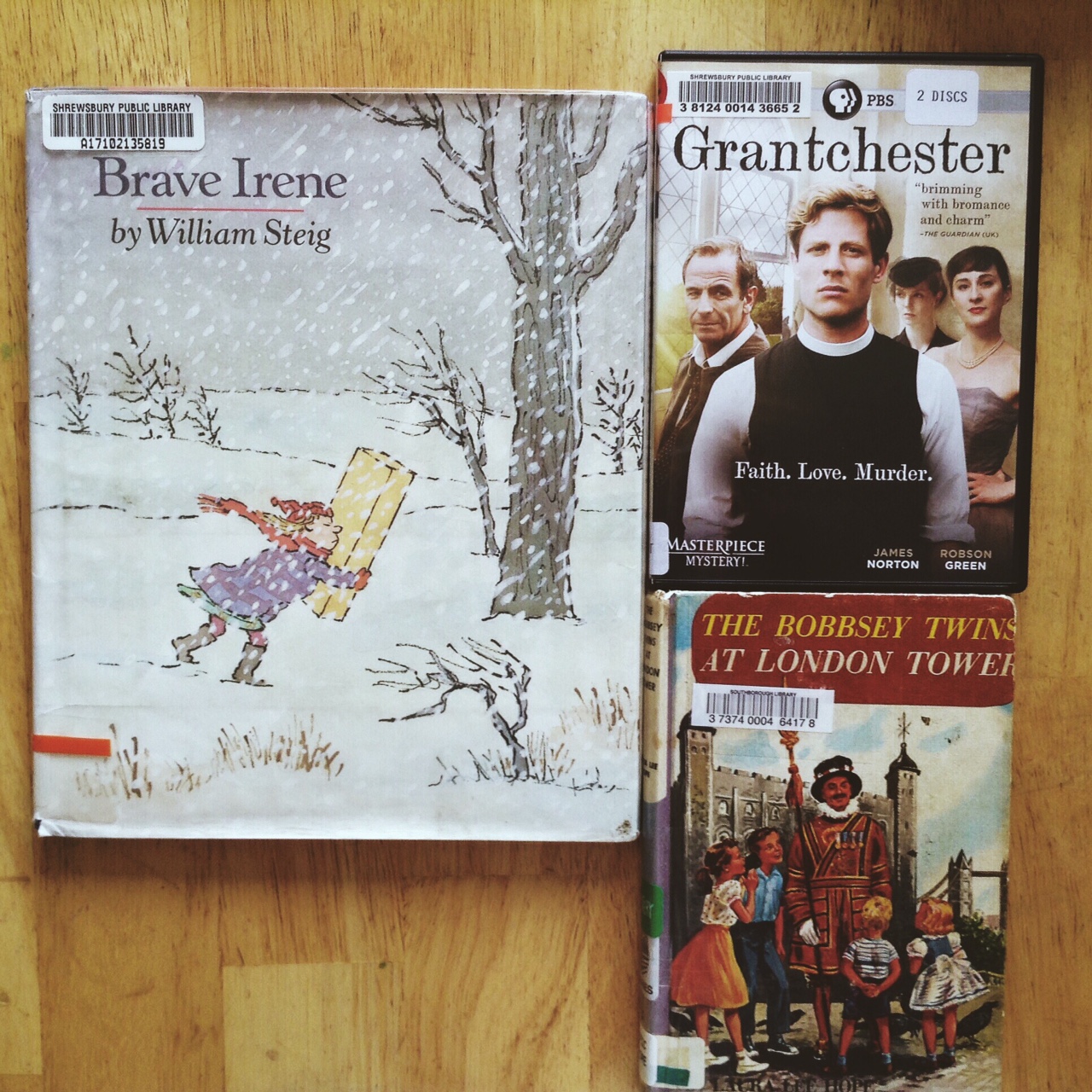
Can you believe that we are already into week 22 of this year? My art journal is getting really thick now. I’ve been really good this month and have been making daily entries. This week, for a change I thought I would post my week in photos. Of course it includes and starts with the obligatory library haul.

Week 22 Library Haul: Brave Irene (cute illustrations), Grantchester (cute vicar), Bobbsey Twins (cute children's story with old-age charm).

Week 22 Library Haul: Brave Irene (cute illustrations), Grantchester (cute vicar), Bobbsey Twins (cute children’s story with old-age charm).

Second Picnic of the Summer in our favorite spot in the Park.

My picnic ‘must-haves’- a good book, my art supplies and art journal in the tigmod folio case along with some music.

IMG_0947

My first attempt at painting outside.

IMG_0997

Painting outside with a limited palette is harder than I thought.

IMG_0932

Oh and I nearly forgot to mention the most important aspect of the picnic!- the food. Eats included a brie, ham and green apple sandwich with mustard! Yum.

IMG_0960

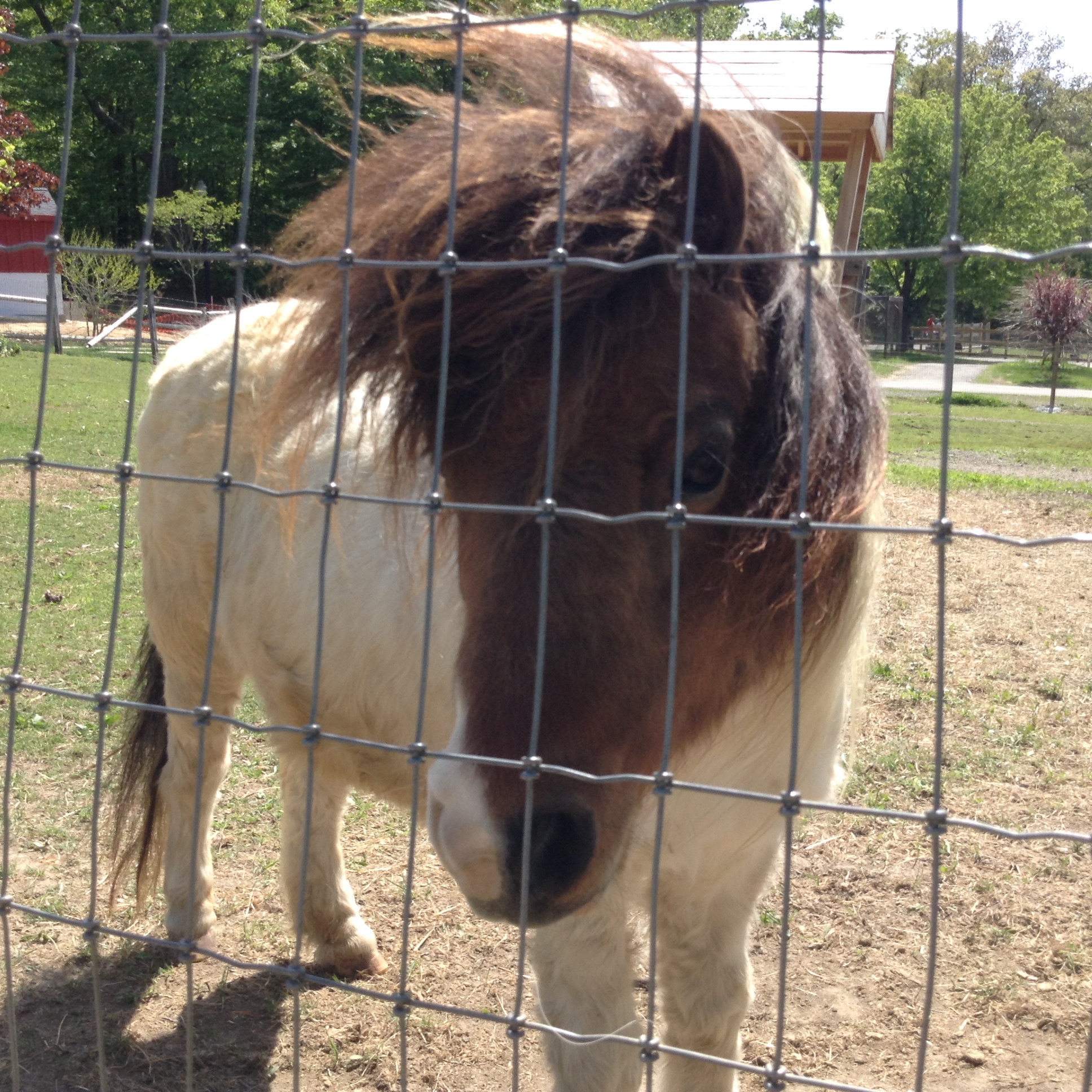
The park has a small farm. This is a miniature horse. How sweet is he/she?

IMG_0978 IMG_0989

Some expectant sheep and aloof roosters.

IMG_0713

The days are long and the sky puts on a spectacular show each evening.

IMG_0920

The rhododendrons are blooming…

IMG_0921

…or have bloomed.

FullSizeRender-2

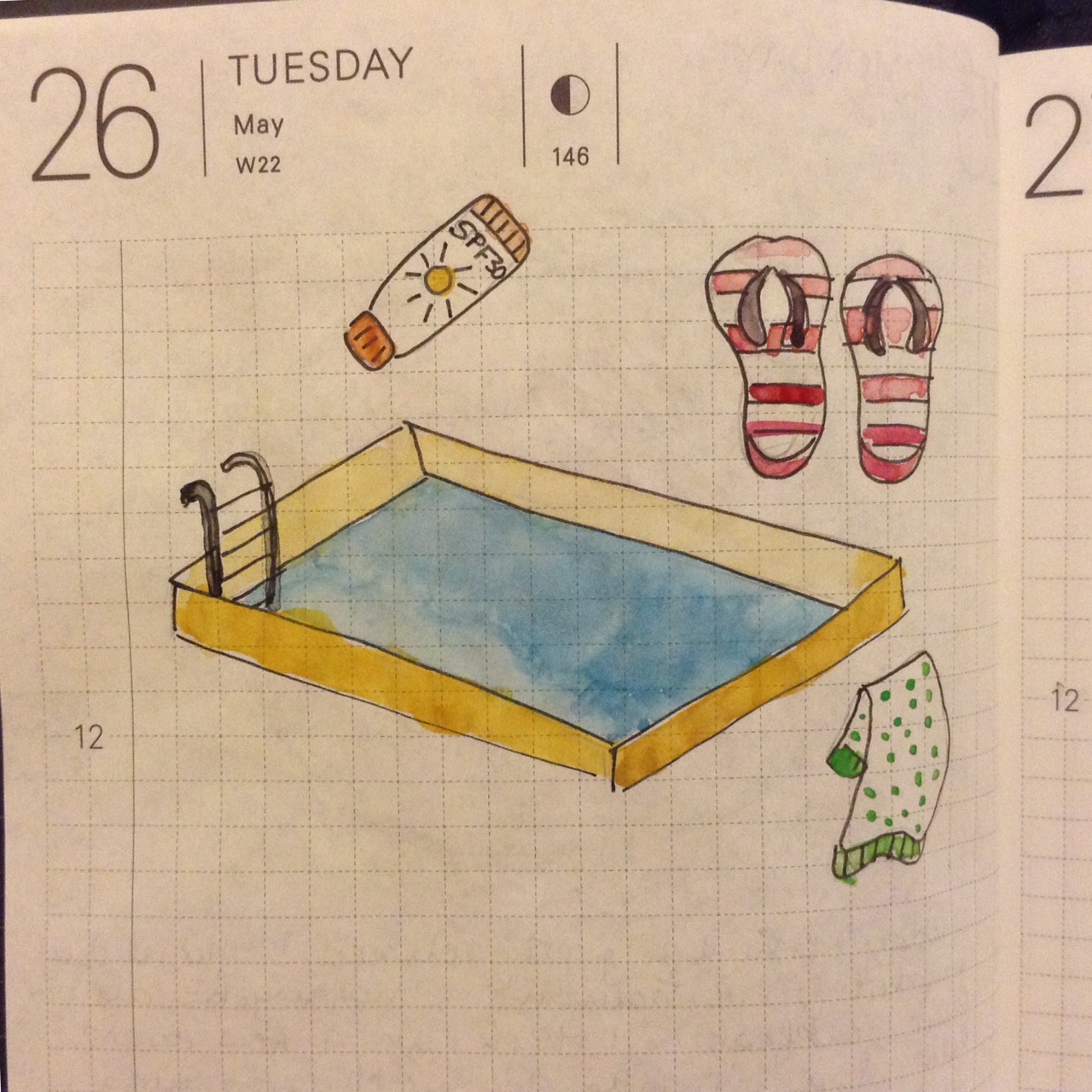
We dipped our toes in the community pool because its too cold to swim yet.

IMG_0950

I’ve been trying to finish the third novella in this book called-‘When the Green Woods Laugh’.

FullSizeRender-3

This is the beautiful poem in the frontispiece of the book.

FullSizeRender-4

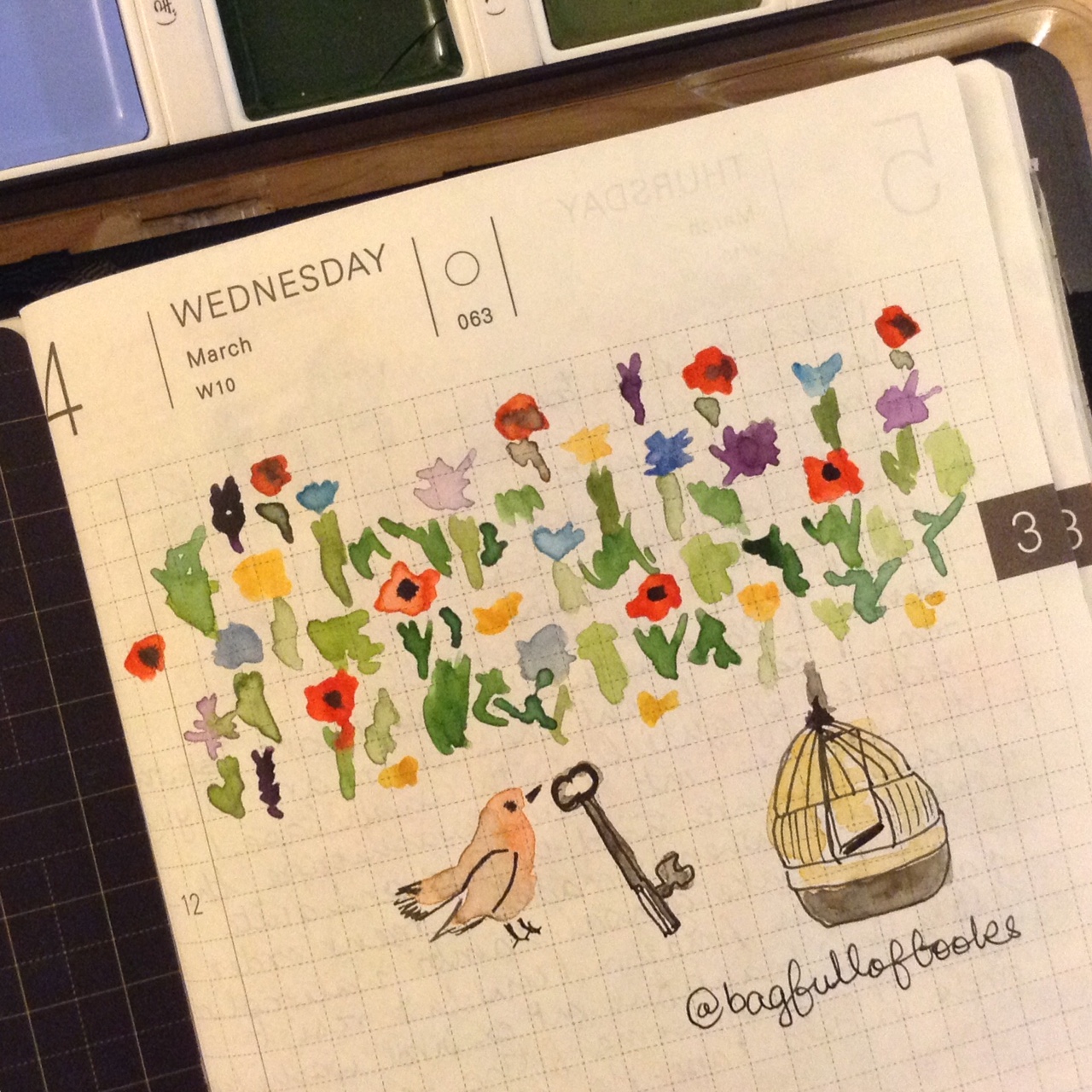
…and I made a little poem of my own that I posted on Instagram @bagfullofbooks)

“She opened the door and tossed away the key,

Then she headed for the flowers, like a dainty honey-bee.”

Have a wonderful week friends!

Library Haul Week Eighteen- 2015

IMG_0352Week Eighteen of 2015 bade farewell to April and ushered in the month of May. Finally we have apple and cherry blossom gracing trees that had been naked for too long. Daffodils are blooming along with tulips and every morning we awaken to sweet birdsong. The days are long and the sunsets glorious. May is my birthday month. This year I received a set of glorious Faber Castell polychromos colored pencils. I can’t wait to experiment with them.

With the new set of colored pencils in mind it seemed a good idea to request Ann Swan’s book on creating Botanical portraits with colored pencils. The book has several tutorials for creating very realistic botanical illustrations and the tools and colors needed to replicate them. I am finding it an interesting read.

Next on the reading list is Mary J. Macleod’s book ‘Call the Nurse’. The book tells of an English family’s migration to a Scottish Hebridean island. The exact identity of the island is not disclosed but it could be one of the following islands forming the Outer Hebrides. I could be wrong.

IMG_0463

Mary J. Macleod’s family fulfilled their dream of living on this Hebridean island and moved there in the early 1970’s. Macleod earned her living as the island’s nurse. The book tells of encounters with the island’s many inhabitants, their unique way of living, the isolation and beauty of the island and the challenges of living in such remoteness. It is nice to read a book that describes a place that I would love to visit. I am still in two minds about the writing style but of course the story is a unique one and worth reading.

For Little M, this week’s library haul brought to her the pleasures of Jim Henson’s inimitable Fraggle Rock. I watched this series as a child and I just adore it. The puppets are marvelous but the best feature of the shows is the music.

Lastly we are playing catch up with Downton Abbey Season 5. This drama continues to entertain us. Dame Maggie Smith- the dowager is the crowning glory of the show but the various plots and sub plots also hold great interest. From a historical perspective this show is a joy to watch too witnessing the collapse of the English aristocracy and the blurring of class barriers.

I will leave you this week with a recap of some of my journalling efforts from the Month of April. Have you read or watched something interesting recently. Do share!

IMG_0393IMG_0394

Whistle for Willie by Ezra Jack Keats

Processed with VSCOcam with m3 preset

Title: Whistle for Willie

Author and Illustrator: Ezra Jack Keats

Published: 1964

Main Characters: Peter, his Mother and Father, Willie the dog.

Short Synopsis of the Story: Peter wishes he could whistle. He wants to learn how to whistle so that he can call his beloved dog named Willie. He tries and tries different ways to whistle but no sound comes out from his lips. He goes home and tries on his Father’s hat and then tries to whistle again but even that fails. Peter hides in a cardboard carton that he finds in the street and tries to whistle yet again and this time a whistle is heard! Peter’s dog Willie rushes towards him and responds to the whistle.Later on, Peter’s mother asks Peter to run an errand for her. Peter whistles all the way there and back followed by faithful Willie.

Favorite Part of the Story:  The story is such a simple one. The images are very striking and are drawn with sweeping, colorful brushstrokes that immediately conjure a lively image of city life. We are immediately drawn by the pictures to a young boy’s visualization of his place in a busy city. The story teaches us of the importance of persistence and determination but this is done in such a subtle way that we do not feel that the story is overly moralistic. The way Peter puts his Father’s hat on and feels that this would magically conjure up his whistling powers made me smile. Lastly, the love between a small boy and his dog are endearing.

Library Haul Week Sixteen-2015

Processed with VSCOcam with t1 preset

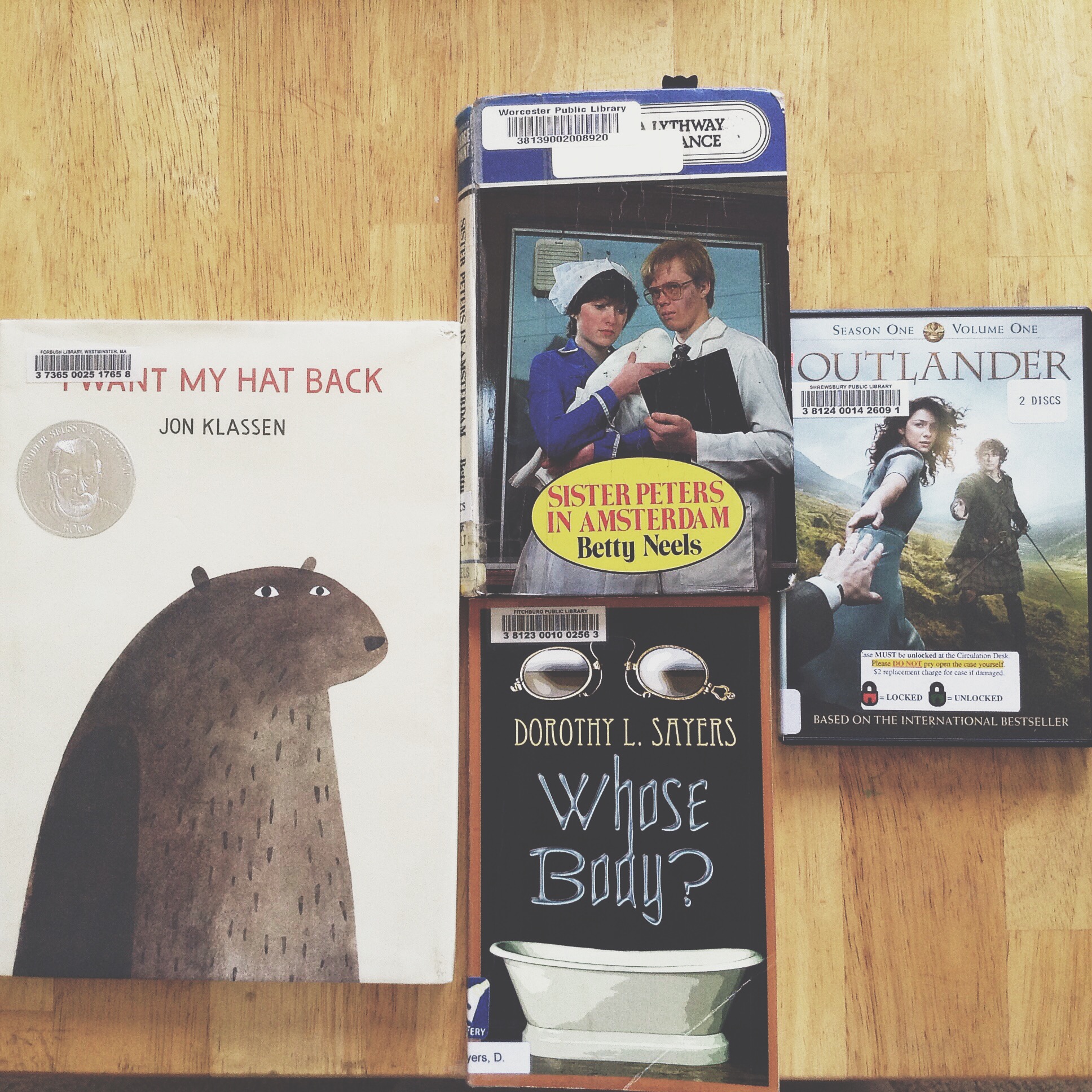
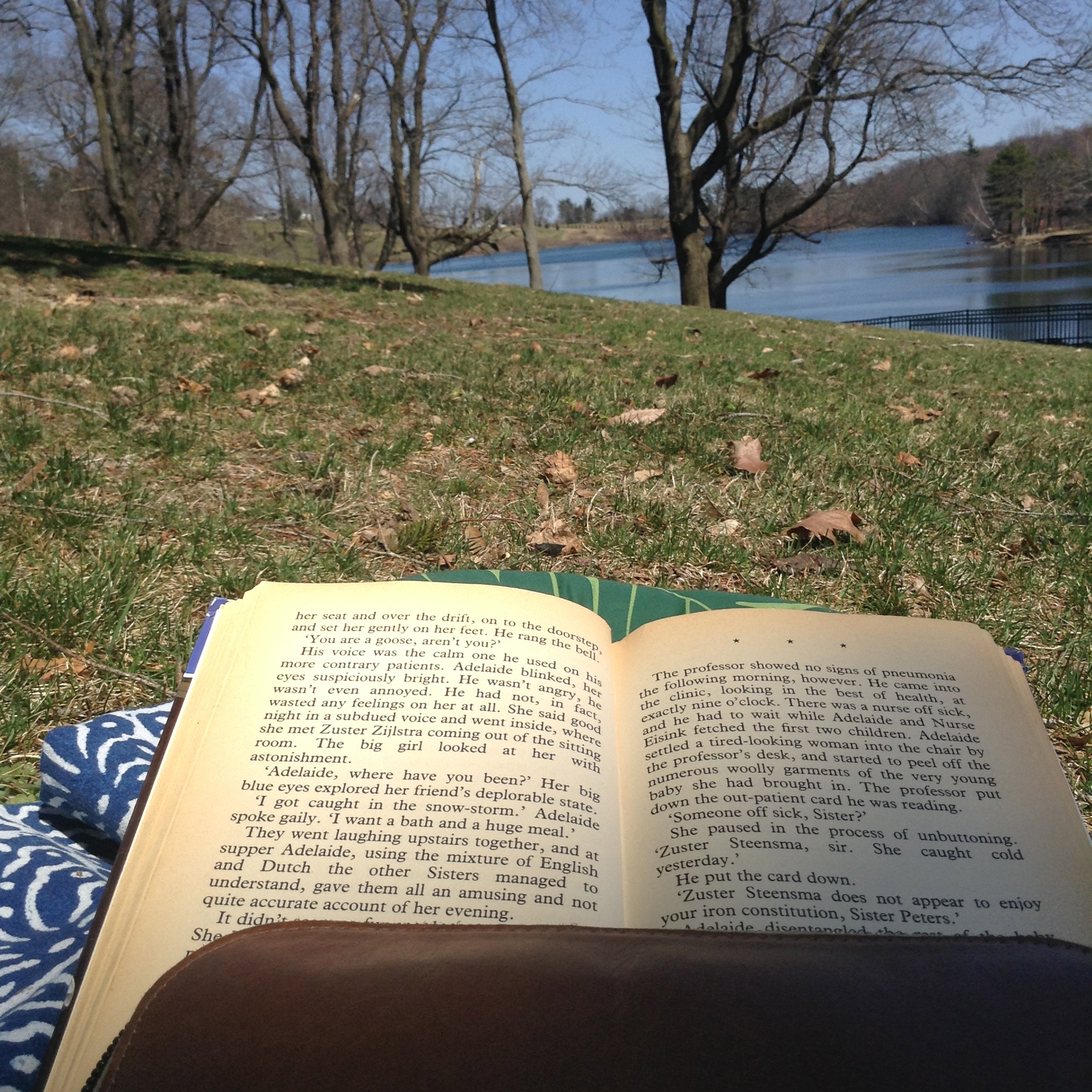
We’ve had glorious weather this past week. The snow has melted, birds are chirping, the first of the gentle buds are forming on the tips of branches. Nature is poised to leap into Spring. We went on a glorious picnic on the weekend. I read a Betty Neels book- ‘Sister Peters in Amsterdam’ on the picnic. I had never read Betty Neels before and was recommended this book by a friend on Instagram. When I received the book from the library I laughed at the funny cover design!

IMG_0470Since then I’ve read a couple of her books and have come to the conclusion that her stories  are a nice, very light read but are a tad formulaic. There is usually a young British nurse, a Dutch doctor and the romances are very genteel… at least the ones I’ve read. What I liked most were descriptions of food, nature, clothing and how charming the books are, if a little repetitive. They are set in interesting locations. Madeira, Amsterdam, Delft and rural England featured in the ones I read. The books are not always very complimentary to women, however. The women always forsake their careers for marriage- which seems to be the be all and end all purpose of life. So if you are willing to overlook the ‘datedness’ of these book you may enjoy them.

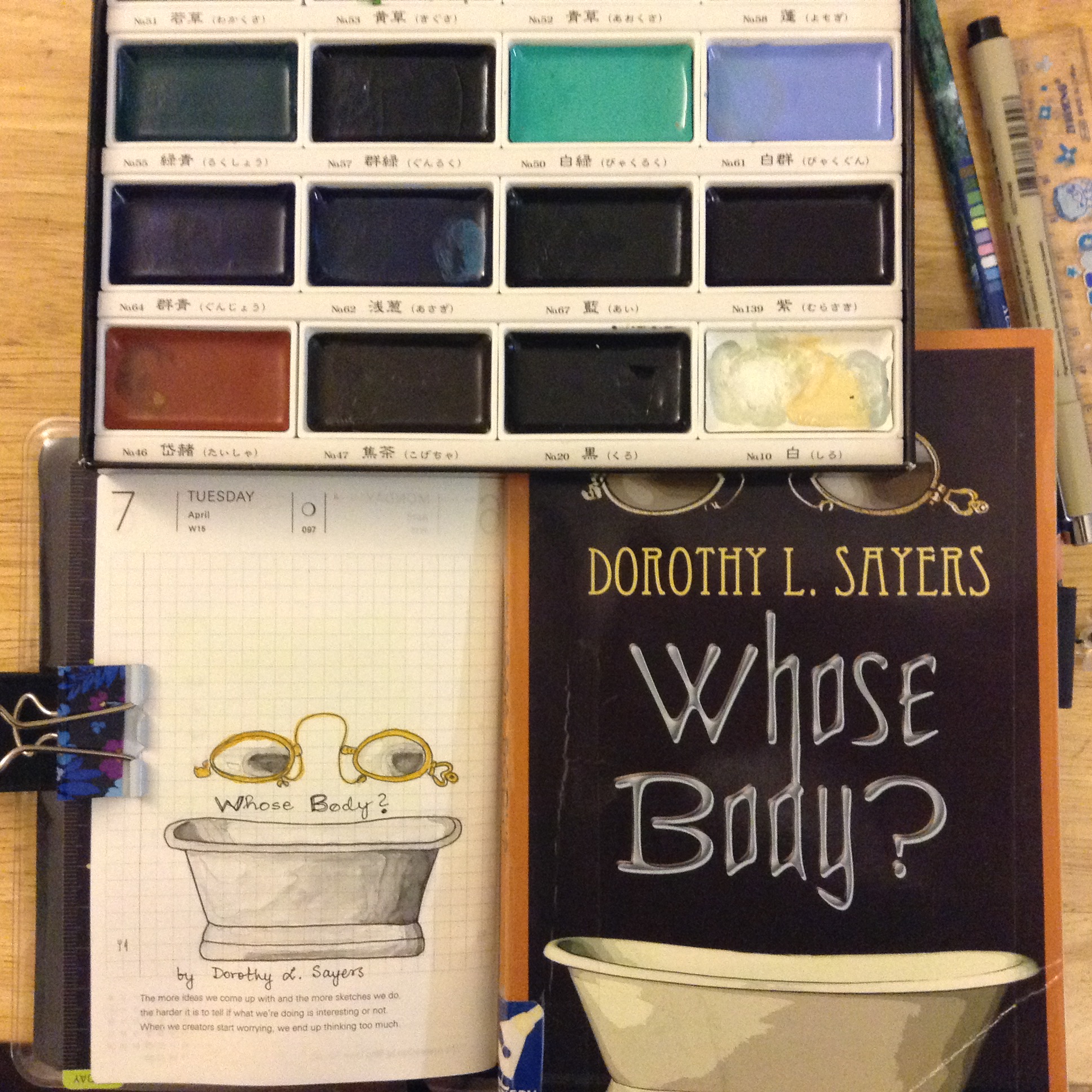
‘Whose Body’ by Dorothy L Sayers was my first book by this author who I have been meaning to read forever. I enjoyed the mystery aspect of the story and am eager to read more about Lord Peter Wimsey. Find the full review of the book here.

‘I Want my Hat Back’ by Jon Klassen was an interesting book for Little M. It was funny and quirky and just a tad cruel. Little M  did not fully comprehend the ending and I didn’t force the truth upon her.

Lastly we have been hooked on the dramatization of the Outlander. Last year I read the book and had mixed feelings about it. I loved the premise of the book- a woman slipping back into time several hundred years into medieval Scotland with a chance to change history. I found the book rather long and some of the descriptions gruesome but overall  I enjoyed it. When I saw the DVD at the library I leapt at the chance to see it. The picturization of rural Scotland is just captivating and the dramatization very well done. Cannot wait to catch up with the second half of the series which is airing now on television.

A good week. I will leave you with my journal entry for the cover of Sayer’s ‘Whose Body’

Processed with VSCOcam with c1 preset

Whose Body by Dorothy L. Sayers

IMG_0451

Title: Whose Body?

Author: Dorothy L Sayers

Published: 1923

Main Characters: Lord Peter Wimsey (amateur detective), Inspector Parker (Wimsey’s friend and accomplice), Inspector Sugg (Scotland Yard), Bunter -Lord Peter’s butler, a host of different suspects.

Book Setting: LondonEngland in the 1920s.

Short Synopsis of the Story:  The body of a man is discovered in the bathtub of a Mr. Thipps, wearing nothing but a pair of pince nez. Nobody knows anything about the identity of the man and even less about how he came to be in Mr. Thipp’s bathtub.On the same day that the body is discovered Sir Reuben Levy, a wealthy  financier goes mysteriously missing. Could the two incidents be connected? Lord Peter Wimsey puts his wits to the test in order to get to the bottom of the question, aided by Parker and his faithful butler Bunter.

Thoughts About the Book: I’m a great enthusiast of the mystery novel genre especially books that hail from the ‘Golden Age’ of detective fiction. It seemed natural that I should look towards the works of one of the stalwarts of the genre – Dorothy L Sayers herself. Initially I found the character of Peter Wimsey delightful but a tad superficial. He reminded me a little of Bertie Wooster with all the hallmarks of the English aristocracy. In the opening page, Sayer’s quirkily and memorably describes Wimsey’s appearance as follows:

His long, amiable face looked as if it had generated spontaneously from his top hat, as white maggots breed from Gorgonzola.

Lord Peter lives in a block of new expensive flats opposite Green Park, dines at the Club, buys expensive rare antiquarian books, plays the piano, keeps a butler and dabbles in detective work in his spare time to amuse himself. However, as the story progresses and more details of Wimsey’s character become apparent we start to gain a greater understanding for his actions and motivation in his life. Wimsey has a great regard and respect for his butler Bunter. We learn that they both were comrades in the Great War. Bunter is therefore privy to Wimsey’s weaknesses, especially his nightmares that are the result of shell shock during the war.

Wimsey is highly conscientious. When he finds himself deeply embroiled in the mystery, he confides in Parker-

“That’s what I’m ashamed of, really,” said Lord Peter.”It is a game to me, to begin with, and I go on cheerfully, and then suddenly see that somebody is going to be hurt, and I want to get out of it.”

Parker responds to Lord Peter-

‘Life’s not a football match. You want to be a sportsman. You can’t be a sportsman. You’re a responsible person.”

The ever jocular Peter Wimsey responds –

“I don’t think you ought to read so much theology,” said Lord Peter.”It has a brutalizing influence.”

Conclusion: Its very difficult to write a review of a mystery story without giving something away but I will say that Sayer’s presents an intelligent plot in this mystery novel. What sets Sayers apart from others is the depth of her intelligence. This is evident in her wit and her ability to humanize a character. By the end of the novel not only do we start to respect Lord Peter Wimsey but we are also eager to learn more about his character and all his future detective endeavors. A great start to a detective series.